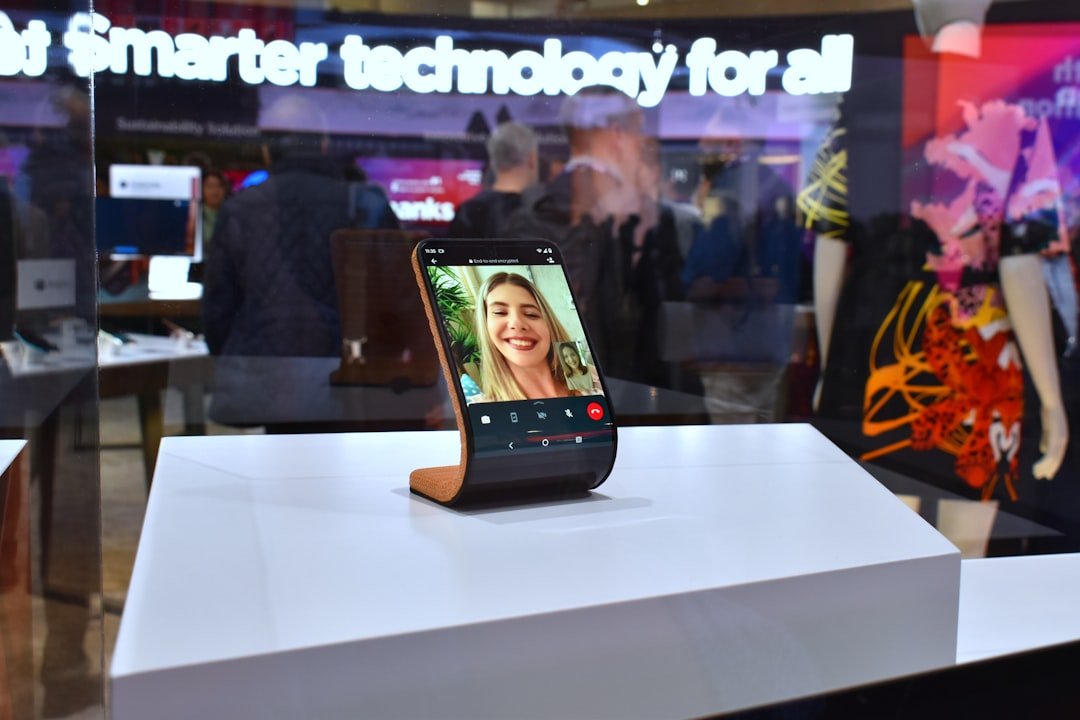

The foldable phone technology has revolutionized the mobile device industry, offering users the best of both worlds: a compact design with a larger display. This innovative technology has grown rapidly since its inception, with major manufacturers like Samsung, Huawei, and Motorola launching their versions of foldable devices. The excitement around foldable smartphones is palpable, as they promise to enhance user experiences with their unique form factors. By utilizing high-end materials and intricate engineering, foldable phones cater to consumers seeking versatility and functionality. As we explore foldable phone technology, we will delve into the mechanics, advantages, and current landscape of this remarkable innovation in the world of smartphones.
How Foldable Phones Work
Foldable phones work primarily through a combination of flexible displays and sophisticated hinges. The core component of a foldable phone is its flexible OLED display, which allows screens to bend without damaging them. Companies like Samsung have pioneered this technology, utilizing Dynamic AMOLED displays that can transition smoothly from a standard phone size to a tablet size. The hinges used in these devices are engineered to withstand repeated folding, ensuring durability over time. Some models even incorporate special protective layers that prevent scratches and damage to the screen. Overall, the technological advancements in materials and engineering make foldable phones a practical and exciting addition to the smartphone market.
Advantages of Foldable Phones
The benefits of foldable smartphones are numerous, particularly in terms of user experience and technological capability. First and foremost, the larger screen real estate enhances multitasking, allowing users to run several apps simultaneously with ease. Additionally, these devices provide a unique style statement due to their innovative design. Another significant advantage is the weight reduction, as foldable devices can combine form factors without adding excess bulk. Furthermore, foldable phones often incorporate cutting-edge technology such as high-resolution cameras and advanced processing power, making them ideal for tech enthusiasts. The combination of functionality and style positions foldable phones as a compelling option for modern consumers seeking versatile devices.
The Current Market Landscape for Foldable Phones
The current landscape of the foldable phone market is dynamic and competitive. Major players like Samsung, Huawei, and Motorola are continuously innovating and expanding their offerings. Samsung’s Galaxy Z Fold series and Galaxy Z Flip models have set the standard, while Huawei’s Mate X series has pushed the envelope with its outward-folding design. Motorola revived its iconic Razr brand with a modern twist, tapping into nostalgia while embracing new technology. As foldable smartphone technology matures, we can expect more manufacturers to enter this market, driven by increasing consumer interest and demand. This competition encourages continuous improvement in durability, performance, and pricing strategies, benefiting consumers overall.
Key Terminology in Foldable Phone Technology
Understanding foldable phone technology involves familiarizing yourself with key terms that are frequently used in the industry. Here are some essential concepts:
Flexibility: This refers to the ability of a display to bend without breaking, a critical feature for foldable devices.
Hinge Mechanism: The central component that facilitates the folding operation of the phone, often designed to withstand thousands of folds.
OLED Display: Organic Light Emitting Diode technology used in flexible screens, offering vibrant colors and deep blacks.
Multitasking: The ability to run multiple applications on the screen simultaneously, a significant advantage of foldable devices.
Durability Ratings: Indicators of how well a device can withstand wear and tear, especially concerning its folding capability.
How Foldable Phone Displays Work
At the heart of foldable phone technology lies the innovative display. Unlike traditional glass screens, foldable displays utilize flexible OLED panels that can bend without breaking. This technology is a game-changer, allowing manufacturers to create devices that can transform from a compact form to a large-screen tablet. Companies like Samsung and Huawei are leading the charge, employing advanced materials to ensure durability and a seamless user experience.
The flexible screens feature a layer of polyimide, a robust and resilient material that can endure multiple folds. This innovation draws attention to the critical aspect of longevity. With thousands of folds tested in labs, consumers can rest easy knowing that these devices are built to last. Additionally, manufacturers are developing unique hinge designs, like those found in OnePlus’s foldable models, which contribute to smoother transitions between the tablet and phone modes. Display technology is not just about aesthetics; it’s also about function, and these advancements indicate a bright future for foldable gadgets.
Battery Life Considerations
Foldable phones don’t just bring a new form factor; they also present unique challenges regarding battery life. With the dual functionality of folding and unfolding, manufacturers need to find ways to fit powerful batteries into svelte designs. Generally, this means deploying innovative battery technologies, like Samsung‘s dual-battery systems. These systems help balance the energy demands of both screen states while optimizing charging times.
Furthermore, energy-efficient components play a significant role in enhancing battery life. The integration of the latest Qualcomm Snapdragon processors with advanced power management features means that foldable phones can last longer than you’d expect, even under hefty use. Battery optimization is critical, especially as users engage in multitasking across larger displays. As technology progresses, we can anticipate further innovations in battery chemistry and design, pushing the limits for foldable devices even further.
Frequently Asked Questions
1. What is a foldable phone?
A foldable phone is a mobile device that features a flexible display, allowing it to open and close like a book to provide a larger screen area when unfolded.
2. Are foldable phones durable?
While foldable phones are designed with durable materials and hinges, their longevity depends on how often they are opened and closed, along with the care taken by the user.
3. Can I use a foldable phone for gaming?
Yes, foldable phones often come equipped with powerful processors and graphics capabilities, making them suitable for gaming and demanding applications.
4. What brands sell foldable phones?
Notable brands include Samsung, Huawei, Motorola, and Xiaomi, with each offering unique options and form factors in the foldable device market.
5. How much do foldable phones cost?
The price of foldable phones can vary significantly, usually ranging from $1,000 to $2,500, depending on the brand, model, and features offered.
Conclusion
In conclusion, foldable phones technology represents a significant advancement in the smartphone industry, providing consumers with versatile devices that combine innovative design with powerful functionality. As the market continues to evolve, foldable phones are poised to become increasingly mainstream, appealing to users who seek both utility and flair in their mobile devices. With a deeper understanding of foldable technology and its benefits, consumers can make informed decisions as they consider adopting these cutting-edge smartphones into their daily lives.