

The integration of AI personalization in smartphones has rapidly revolutionized how users interact with technology. Smartphones today are not just communication devices; they are intelligent companions that learn from user behavior, preferences, and habits. By leveraging artificial intelligence, these devices can offer custom experiences that significantly enhance usability and engagement. From personalized notifications to tailored app recommendations, AI-driven smartphone features are increasingly becoming essential in meeting user expectations and improving overall satisfaction. This evolution highlights the importance of focusing on user experience, which is the cornerstone of competitive advantage in a crowded market.
Understanding AI Personalization in Smartphones
At its core, AI personalization refers to the ability of smartphones to adapt responses based on individual user data. Utilizing sophisticated algorithms, smartphones analyze user interactions across various applications and settings. This process enables devices to anticipate user needs and make tailored suggestions that enhance overall functionality. For example, platforms like Android and iOS are at the forefront, incorporating machine learning to create a seamless user experience. The outcome is not just a device; it’s a smart assistant helping individuals navigate their daily routines more efficiently.
Key Features Driven by AI Personalization
AI personalization in smartphones manifests in various features that improve user experience significantly. Some notable aspects include:
Smart Notifications: By studying usage patterns, smartphones can predict and send notifications at optimal times. This reduces distractions and ensures relevant alerts are prioritized.
App Recommendations: Based on the apps you use frequently, AI algorithms suggest similar or complementary applications. Thus, users can discover new tools that enhance their productivity or entertainment.
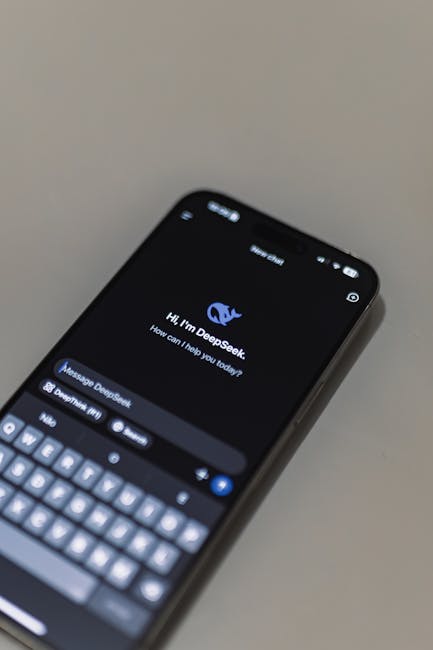
Enhanced Photography: Incorporating AI allows smartphone cameras to adjust settings automatically based on the scene. This ensures that users capture stunning photos under various conditions with minimal effort.
Battery Management: AI optimizes battery consumption by learning which apps consume the most power and regulating their usage. This enhances device longevity throughout the day.
The Role of Machine Learning in Smartphone Personalization
Machine learning, a subset of AI, is fundamental to personalization in smartphones. By employing techniques such as predictive analytics and behavioral analysis, smartphones can learn from user habits over time. For instance, neural networks process vast amounts of data to provide insights and facilitate predictive typing in messaging apps, making communication more efficient. Furthermore, updates to operating systems often expand these capabilities, ensuring that users benefit from continual advancements in technology.

Privacy and Ethical Considerations in AI Personalization
While the benefits of AI personalization are evident, users must also understand the associated privacy and ethical concerns. The collection and use of personal data for improving user experiences raises valid questions regarding consent and security. Companies must maintain transparent practices, ensuring users are aware of how their data is used and safeguarded. This transparency builds trust and encourages users to engage more deeply with AI features.
Smartphone Recommendations Tailored Just for You
One of the standout features of AI personalization on smartphones is the ability to receive recommendations that are uniquely tailored to your preferences and habits. Imagine picking up your phone and finding apps, music, and content that genuinely resonate with your interests. AI algorithms analyze your previous interactions, tapping into your usage patterns to present the most useful suggestions. It’s like having a personal assistant who knows you better than you know yourself! This can lead to discovering hidden gems among app stores or playlists that truly fit your mood at the moment.
The power of AI-driven recommendations doesn’t stop at apps alone; it extends to all aspects of your smartphone experience. For instance, let’s talk about digital wellness. If your phone notices that you tend to use social media excessively during certain hours, it might suggest a healthy break or provide tips on setting up screen time limits. This kind of insight fosters a better relationship with technology, encouraging mindful usage while also ensuring you’re getting the most out of your smartphone. You can see how such personalized experiences come together to create a tailored, user-focused smartphone ecosystem that dramatically enhances convenience and satisfaction.

Enhanced Security Features through AI Personalization
Security is a top priority for many smartphone users, and AI personalization plays a crucial role in making your mobile experience not just tailored but also more secure. With advanced machine learning algorithms, smartphones can now analyze patterns in your behavior, making it easier to detect any unauthorized access to your device. For instance, if someone tries to unlock your phone using facial recognition or a fingerprint scan that doesn’t match your usual patterns, the AI can alert you immediately, enhancing home security. Learn more about password management options for additional protection.
Moreover, AI can provide personalized security recommendations based on your device usage. If it notices you frequently connect to public Wi-Fi networks, it may suggest turning on a VPN or offer alerts on potential risks associated with public access points. This proactive approach not only keeps your info safe but also educates users on best practices. Other leading smartphone brands are incorporating these AI features to protect sensitive data, from location tracking to app permissions. As we navigate a world increasingly fraught with privacy concerns, such personalization features empower users to make informed decisions about their security.
Frequently Asked Questions
1. How does AI improve smartphone performance?
AI enhances smartphone performance by analyzing user behavior and optimizing system resources accordingly, resulting in smoother multitasking and better battery efficiency.
2. Can AI customization influence social media usage?
Yes, AI personalization can tailor social media feeds based on past interactions and preferences, enhancing user engagement and satisfaction with content.
3. Are AI personalized functionalities available on all smartphones?
Most modern smartphones, especially those running iOS and Android, are equipped with AI features, but the extent and effectiveness can vary between models and manufacturers.
4. Is my data safe with AI personalization?
Safety depends on the brand’s privacy policies; reputable companies prioritize user data protection and often allow users to manage their settings.
5. How can I improve my experience with AI personalization?
To maximize AI personalization benefits, regularly update your smartphone, review privacy settings, and engage with recommended apps and features.
Conclusion
As smartphones continue to evolve, the role of AI personalization will become increasingly critical. Understanding its intricacies can enhance user engagement, leading to improved experiences tailored to individual needs. With ongoing advancements in machine learning and data analytics, users can expect smartphones to become even more adaptive and intuitive. Balancing innovation with ethical considerations will ensure that while users enjoy a personalized experience, their privacy remains intact.
Primary Focus Keyword: AI personalization in smartphones
Secondary Keywords: smartphone technology, AI features, machine learning
Meta Description: Discover how AI personalization in smartphones revolutionizes user experience with tailored features, smart notifications, and enhanced privacy management.