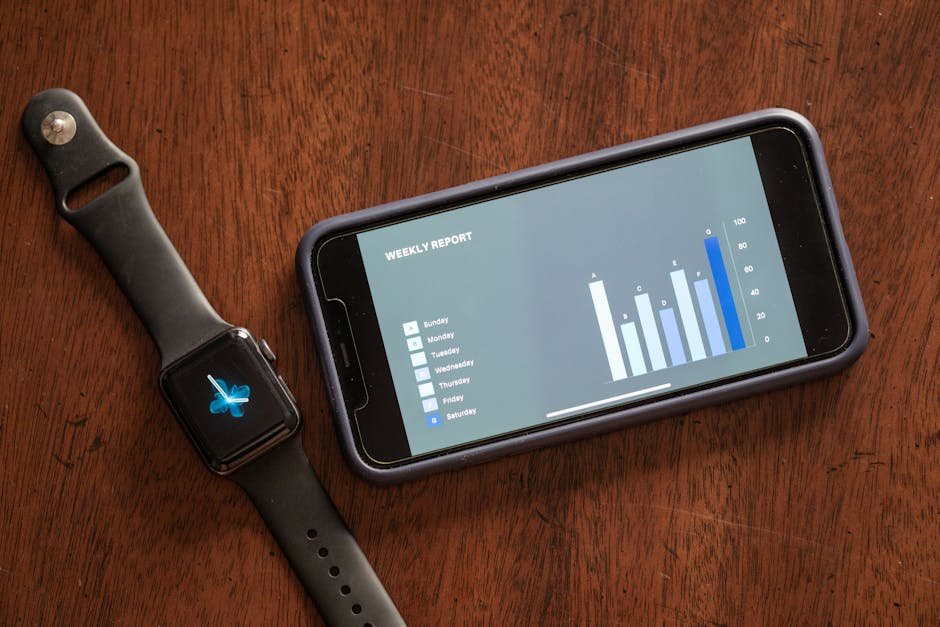

In today’s fast-paced world, maintaining a healthy lifestyle can seem challenging. Fortunately, the advancements in technology have led to the development of AI-based health tracking solutions directly integrated into smartphones. These innovative tools are designed to monitor various health metrics, including heart rate, sleep patterns, physical activity, and even mental well-being. With the incorporation of artificial intelligence into mobile apps, users can now receive personalized insights and recommendations that cater to their individual health needs. This article explores how AI-based health tracking in phones is revolutionizing personal healthcare, making it easier for individuals to stay on top of their wellness goals.
The Rise of AI in Health Tracking
AI technology is increasingly becoming an essential component of health tracking applications on smartphones. Many modern apps utilize machine learning algorithms to analyze user data, providing actionable insights that enhance overall health management. As individuals continue to adopt these technologies, they benefit from features such as predictive analytics, which estimate potential health risks based on gathered data. Apps like Apple Health and Google Fit exemplify how AI-driven health tracking can lead to better health outcomes.
Key Features of AI-Based Health Tracking
Modern smartphones equipped with AI-powered health tracking apps offer a wide array of features that help users manage their health effectively. Some of these key features include:
Activity Tracking: Users can monitor their daily activity levels, including steps taken, distance traveled, and calories burned, thanks to AI algorithms that accurately interpret physical movements.
Heart Rate Monitoring: Many smartwatches and phones now integrate continuous heart rate monitoring, using AI to provide real-time data analysis.
Sleep Analysis: AI-powered applications can assess sleep patterns by tracking movements and heart rates during the night, allowing users to improve their sleep hygiene.

Nutrition Tracking: Some applications enable users to log their meals and track nutritional intake, using AI to suggest healthier alternatives.
Benefits of Utilizing AI for Health Tracking
The benefits of leveraging AI for health tracking in smartphones are numerous. Firstly, the personalized feedback provided by AI algorithms helps users identify specific trends in their health data. This leads to better decision-making concerning diet, exercise, and overall lifestyle changes. Moreover, AI-based insights can empower users to proactively manage chronic conditions, such as diabetes or hypertension, by offering recommendations tailored to their unique circumstances.
Furthermore, many AI health apps feature integration with telehealth services. This allows users to share their data easily with healthcare professionals, enhancing the quality and efficiency of consultations. In this way, AI serves as a crucial link between patients and healthcare providers, fostering better communication and collaboration.

Future Trends in AI Health Tracking
As AI technology continues to evolve, the future of health tracking on smartphones looks promising. One emerging trend is the integration of AI with wearable devices, which can provide even deeper insights into health metrics. For instance, smart wearables can collect data on body temperature and oxygen saturation, enabling more comprehensive health analysis. Additionally, the use of natural language processing in health apps may facilitate smoother interactions between users and their digital health assistants.
Moreover, advancements in data security and privacy will perhaps take center stage, ensuring that sensitive health information is well protected. As AI-based health tracking becomes more ingrained in daily life, maintaining user confidence in privacy standards will be critical for sustained adoption.
Real-Time Health Insights
One of the most exciting features of AI-based health tracking in smartphones is the ability to provide real-time health insights. With advanced algorithms analyzing data continuously, your phone can track vital signs like heart rate, sleep quality, and activity levels as they happen. For instance, wearables like smartwatches or fitness trackers can integrate seamlessly with health apps on your phone, enabling constant monitoring and feedback. This means you’ll receive immediate alerts if your body shows concerning patterns, such as irregular heartbeats or significant changes in your sleep cycle.

This real-time capability isn’t just about keeping you informed; it can also serve as an essential tool for preventive health. If your device notes an anomaly, it may suggest lifestyle adjustments or recommend consultations with healthcare professionals. So, instead of waiting for annual check-ups, you can stay proactive about your health and potentially catch issues before they escalate. Moreover, platforms such as Apple Health and Google Fit use machine learning to offer personalized insights tailored to your unique health profile.
Integration with Telehealth Services
The integration of AI-based health tracking with telehealth services is revolutionizing how individuals receive medical consultations. Telemedicine platforms can utilize the data collected by your phone’s health apps to offer targeted advice and treatment options. For example, if you’ve been tracking changes in your anxiety levels, a telehealth service like BetterHelp can provide you with instant access to therapists who can address your specific needs. Instead of generic treatments, the approach becomes more personalized, enhancing the likelihood of successful outcomes.
Frequently Asked Questions
1. What are the main benefits of AI-based health tracking?
AI-based health tracking provides personalized insights, enhances activity monitoring, offers nutrition tracking, and facilitates better communication with healthcare professionals.
2. How accurate are AI health tracking applications?
While most AI health tracking applications are generally reliable, their accuracy can vary based on the technology used and the individual’s unique physiology, reminding users to consult healthcare professionals when necessary.
3. Can AI-based apps help manage chronic conditions?
Yes, AI-powered health apps can indeed aid in managing chronic conditions like diabetes and hypertension by offering tailored recommendations and data analysis based on user input.
4. How do I ensure the privacy of my health data?
To ensure the privacy of health data, users should carefully select apps that prioritize data security measures, including encryption and compliance with regulations like HIPAA.
5. Are there any risks associated with using AI for health tracking?
Risks may include data privacy concerns and the potential for over-reliance on technology rather than seeking professional medical advice, emphasizing the importance of balanced usage.
Conclusion
AI-based health tracking in phones represents a significant leap forward in personal healthcare management. By leveraging the power of machine learning and predictive analytics, these applications empower users to take charge of their health journeys. The combination of accurate data collection, personalized insights, and seamless integration with healthcare providers is changing how individuals approach wellness. As technology continues to evolve, we can expect even more innovative features that will enhance our ability to live healthier lives.
Primary Focus Keyword: AI-based health tracking in phones
Secondary Keywords: health metrics, personalized insights, activity tracking
Meta Description: Explore the advantages of AI-based health tracking in smartphones, transforming personal healthcare management with personalized insights and advanced analytics.