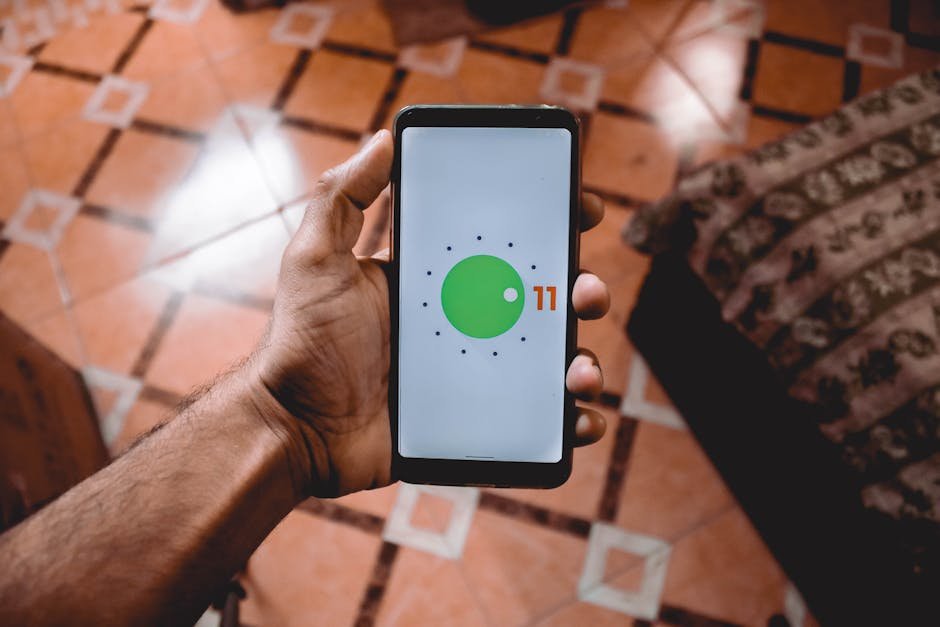

The evolution of mobile operating systems has dramatically transformed the way we communicate, work, and enjoy digital content. The first mobile operating systems were rudimentary and limited in functionality, often serving specific hardware platforms. However, as technology advanced, so did the operating systems that powered mobile devices. Today, we have a diverse ecosystem including popular platforms such as Android and iOS, each offering a unique user experience. This transformation is characterized by the introduction of touch-screen capabilities, enhanced multimedia experiences, and robust app ecosystems. Understanding the history of mobile operating systems is essential for grasping current trends and anticipating future developments.
The Early Days of Mobile Operating Systems
The first true mobile operating systems emerged in the late 1990s and early 2000s. Early systems like Symbian and Windows Mobile were primarily designed for minimal functionality. Symbian, in particular, became popular among smartphone manufacturers such as Nokia, who capitalized on its multitasking capabilities and support for third-party applications. Meanwhile, Microsoft’s version allowed for integration with desktop Windows environments, making it a favorite for corporate users. Despite their innovations, these systems faced serious challenges, including limited application support and a lack of intuitive interfaces.
The Rise of Smartphones and Touch Interfaces
The landscape of mobile operating systems began to change dramatically with the introduction of the smartphone era, particularly in 2007 with the launch of Apple’s iPhone. Its operating system, iOS, set a new benchmark for user interfaces with its smooth, touch-centric experience. The App Store revolutionized the app distribution model, leading to an explosion of mobile applications that catered to diverse user needs. Subsequently, Google launched Android in 2008, a Linux-based operating system that offered an open-source alternative to iOS. With its extensive customization options and large user base, Android quickly became a formidable player in the mobile operating systems market.
The Dominance of Android and iOS
Today, the mobile operating system landscape is primarily dominated by Android and iOS. As of 2023, Android holds around 70% of the global market share, while iOS claims around 28%. These two systems have established unique ecosystems around them, with developers often choosing to build applications for both platforms. The popularity of Android is largely due to its open-source nature, allowing manufacturers like Samsung, Huawei, and Google to create customized versions. In contrast, Apple’s strict control over iOS ensures a uniform experience across devices, solidifying brand loyalty among its users. This rivalry has driven innovation in features, security, and performance in a highly competitive market.
Emerging Trends and Future Developments in Mobile OS
Looking forward, mobile operating systems are evolving to meet the demands of emerging technologies. New developments in areas such as artificial intelligence, machine learning, and the Internet of Things (IoT) are reshaping the functionality of mobile devices. Voice-activated assistants, such as Siri and Google Assistant, are becoming integral to user interaction, making tasks simpler and more intuitive. Additionally, the rise of 5G technology is set to enhance mobile connectivity, enabling faster data transfers and smoother streaming experiences. The focus on privacy and security is also growing, with both Android and iOS continuously enhancing their features to protect user data.
Word: description
Operating System: A software platform that manages hardware and software resources on a device.
Smartphone: A mobile phone with advanced features, including internet connectivity and a rich app ecosystem.
App Store: A digital platform where users can download and purchase applications for their devices.
Customization: The ability to alter or modify software settings to suit user preferences.
1. What are the main mobile operating systems today?
The primary mobile operating systems today are Android and iOS, which dominate the market with their respective features and app ecosystems.

2. How did the iPhone change mobile operating systems?
The iPhone introduced a touch-centric interface and greatly improved user experience, setting a standard for future mobile operating systems.
3. What role does customization play in Android?
Customization allows Android users to personalize their devices extensively with widgets, themes, and various UIs through different manufacturers.
4. How do mobile operating systems ensure security?
Mobile operating systems implement security measures such as encryption and regular updates to protect user data and mitigate vulnerabilities.
5. What are the future trends in mobile operating systems?
Future trends include advancements in AI, the integration of 5G technology, and enhanced privacy features that prioritize user security and data protection.

The Rise of Android: Open Source Revolution
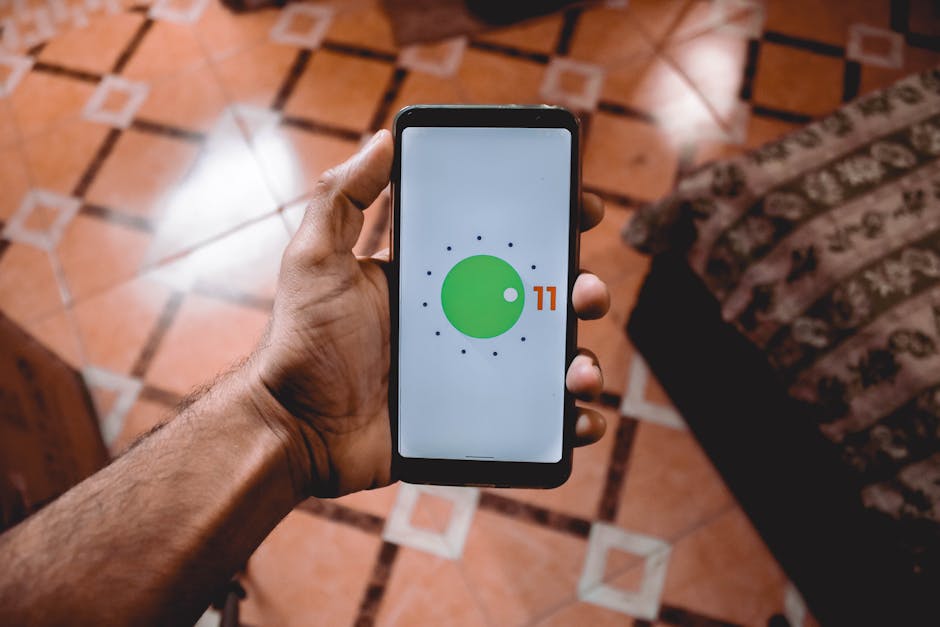
Launched in 2008, Android quickly transformed the mobile OS landscape. With its open-source nature, it attracted a myriad of manufacturers, ranging from giants like Samsung to emerging brands in developing markets. This adaptability helped Android gain an unparalleled market share, dominating over 70% of the global smartphone market. The flexibility of Android not only allowed for diverse hardware but also spurred innovative applications, making it a preferred choice for developers and users alike.
Moreover, Android’s ecosystem continuously evolved, with regular updates introducing features like app permissions, multi-window support, and enhanced battery management. These enhancements not only improved user experience but also addressed security concerns, often leading to discussions in tech forums and on platforms like Reddit. The introduction of Google Play Services also made it easier for developers to integrate various APIs, fostering a thriving app economy.
iOS: A Benchmark of User Experience
On the other side of the spectrum, Apple’s iOS has remained a significant player since its launch in 2007. The OS focused heavily on user experience, with a polished interface that made navigation intuitive. Features like the App Store revolutionized software distribution, offering a safe, streamlined way for users to download applications. This curated approach not only ensured quality but also added a layer of security that many users appreciated.
Apple has consistently set industry standards with innovations like Face ID, which leveraged advanced facial recognition technology, and a robust privacy framework protecting user data. As TechCrunch reported, iOS has also benefited from strong integration across Apple products, creating a cohesive ecosystem that encourages loyalty among users. Apple’s annual events keep the community engaged, often leading to spikes in iPhone sales whenever a new version of iOS launches. Their model has fostered a robust developer community eager to create optimized applications for the iOS platform.
Conclusion
The evolution of mobile operating systems is a testament to the rapid advancement of technology and changing user preferences. From the early days of rudimentary systems to today’s advanced platforms like Android and iOS, the landscape has undergone significant transformations. As we look to the future, emerging trends in technology and user experience will likely continue to shape these platforms, bringing even more innovation and opportunities. Staying informed about these changes is essential for users, developers, and businesses alike.
Primary Focus Keyword: evolution of mobile operating systems
Secondary Keywords: Android, iOS, mobile technology
Meta Description: Explore the evolution of mobile operating systems from early platforms to today’s leaders, Android and iOS, and discover future trends shaping the industry.