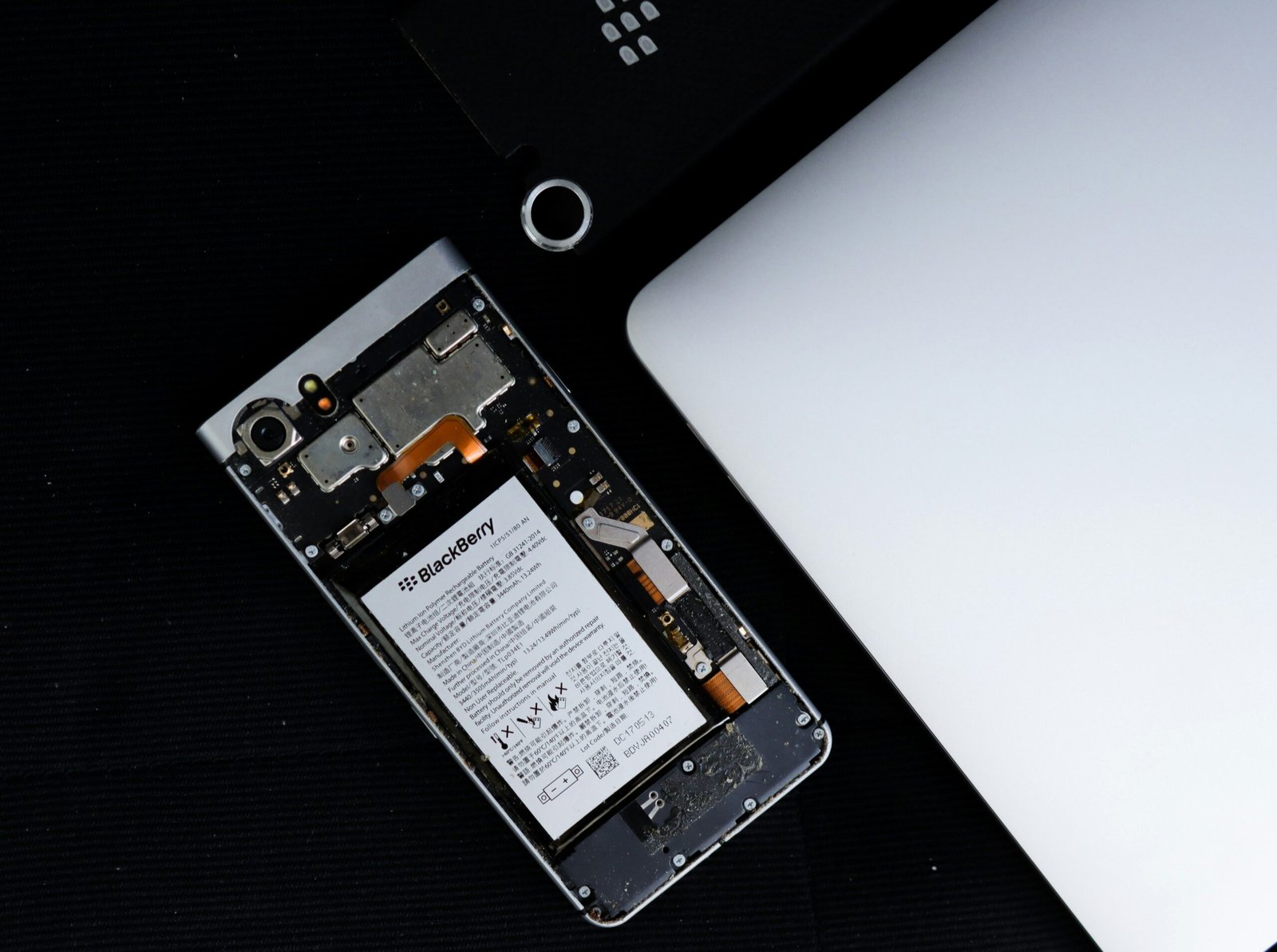

In the fast-paced world of technology, smartphones have become an integral part of our lives, and battery performance remains a critical concern for users globally. With the increasing demand for mobile processing power and connectivity, the role of AI battery optimization has become indispensable. This innovative technology leverages artificial intelligence to enhance battery life, manage power consumption, and prolong the overall lifespan of mobile devices. By analyzing user behavior and optimizing resource allocation, AI achieves remarkable efficiency, making it a trend worth exploring. Studies show that effective battery management can lead to prolonged screen time and improved device performance, making these advancements not just beneficial but essential for today’s smartphone users.
Understanding AI Battery Optimization
AI battery optimization uses machine learning algorithms to analyze and predict user behavior, thereby determining the optimal settings for battery usage. These systems continuously learn from user interactions, enabling real-time adjustments to power consumption. Feature-rich smartphones now come equipped with built-in smart battery managers that take full advantage of AI technology, resulting in significantly enhanced performance. Understanding how these AI systems work is crucial for users who wish to make informed decisions about their smartphone usage. They offer users insights into their device’s battery consumption patterns, ultimately leading to a more efficient and less frequently recharged phone.
Key Features of AI Battery Optimization
Modern smartphones employ several key features to optimize battery life through AI. Some of these features include: Adaptive Battery, Battery Saver Mode, and Background App Management. Each feature plays a distinct role in achieving maximum efficiency.
Adaptive Battery: This feature learns individual user habits and prioritizes power for frequently used apps, reducing unnecessary power consumption.
Battery Saver Mode: Automatically activates when battery levels drop, adjusting settings like brightness and background activity to conserve energy.
Background App Management: AI monitoring ensures apps that haven’t been used actively are restricted from consuming battery unnecessarily.
These features are crucial for offloading excess power usage, making them significant components of effective AI battery optimization.
Benefits of AI Battery Optimization for Users
The advantages of implementing AI battery optimization in smartphones cannot be overstated. Users experience improved battery longevity, which translates to extended device use without incessant charging. Additionally, optimized performance allows smartphones to handle demanding applications more efficiently. Users typically see benefits such as:
1. Prolonged Battery Life: Through efficient monitoring and management, overall battery longevity is enhanced.
2. Improved User Experience: With less time spent on charging, users can enjoy uninterrupted access to functions such as gaming or streaming.
3. Increased Application Responsiveness: AI optimization can prioritize performance during high-demand scenarios, ensuring apps run smoothly.
4. Reduced Heat Generation: Improved thermal management means devices run cooler, which is better for internal components.
With the plethora of advantages presented, the integration of *AI features* into battery optimization is becoming increasingly crucial as devices advance.
Challenges in AI Battery Optimization
While the benefits of AI battery optimization are compelling, challenges remain in its implementation. One key concern is the variation in usage patterns among different users, making it difficult for AI systems to accurately predict needs. Furthermore, the effectiveness of these systems heavily relies on the quality of algorithms employed, necessitating ongoing updates and improvements. Some additional challenges include:
Privacy Concerns: Users may be apprehensive about how their data is collected and used by AI systems.
Battery Age: Older batteries may not respond well to optimization procedures, resulting in diminished returns.
Device Compatibility: Not all smartphones are equipped to handle sophisticated AI-powered features.
Staying ahead of these challenges is essential for both developers and users, ensuring that AI battery optimization achieves its intended goals.
Understanding AI Algorithms for Enhanced Battery Life
AI algorithms play a crucial role in the way modern smartphones manage battery consumption. These algorithms analyze user behavior, app usage patterns, and device settings to optimize battery performance in real time. For instance, AI can learn that you often take your phone out around 7 PM to check notifications and adjust background app activity leading up to that time, ensuring your battery lasts longer when you need it most. By avoiding background tasks during peak usage hours, devices can conserve essential battery power.
Moreover, as your habits change, AI continues to adapt. You might find that after a week of frequent video streaming, your phone adjusts its performance to deliver optimal power efficiency for this specific activity. This dynamic adjustment allows you to enjoy your devices without the constant worry of battery life. For more insights into how AI reshapes battery management, check out Tech Radar.
The Role of Machine Learning in Battery Charging
Machine learning, a subset of AI, has revolutionized the way smartphones handle charging. Through machine learning algorithms, devices can determine the best time to charge and how to manage power during charging cycles, enhancing battery longevity. For example, many smartphones now feature a “smart charging” mode, where the device learns your charging schedule and modifies the charging speed accordingly. This means that if you tend to plug in your phone every night at 10 PM, it might slow down the charging rate as it approaches that time, ensuring the battery is at 80% just before you wake up.
This method significantly reduces wear on lithium-ion batteries, which are sensitive to fast charging. By avoiding rapid charge cycles, machine learning extends the overall lifespan of your battery, and that’s a win-win for users. Interested in more technical details? Explore Wired for cutting-edge discussions on battery technology.
Frequently Asked Questions
1. What is AI battery optimization?
AI battery optimization refers to the use of artificial intelligence to manage and prolong the battery life of smartphones by analyzing usage patterns and adjusting settings accordingly.
2. How does AI enhance battery performance?
AI enhances battery performance by learning from user habits, enabling it to allocate power intelligently to applications that are used more frequently, leaving others in a low-power state.
3. Are there any downsides to using AI battery optimization?
While beneficial, potential downsides include privacy concerns regarding data collection and compatibility issues with older devices that may not support advanced optimization features.
4. How can I enable AI battery optimization on my phone?
To enable AI battery optimization, navigate to your phone’s settings under the battery section, where you will find options such as adaptive battery and battery saver modes to activate AI features.
5. Does AI battery optimization affect my phone’s speed?
In most cases, AI battery optimization can improve your phone’s speed by prioritizing resources for active applications and enhancing overall performance, especially during high-demand usage periods.
Conclusion
AI battery optimization represents a significant advancement in the realm of smartphone technology, offering users enhanced efficiency and improved battery longevity. As smartphones become increasingly integral to everyday life, the demand for better battery management will only grow, making the understanding of AI’s role in this area essential. The landscape of mobile technology is rapidly evolving, and embracing innovations like AI battery optimization is key to maximizing device performance.