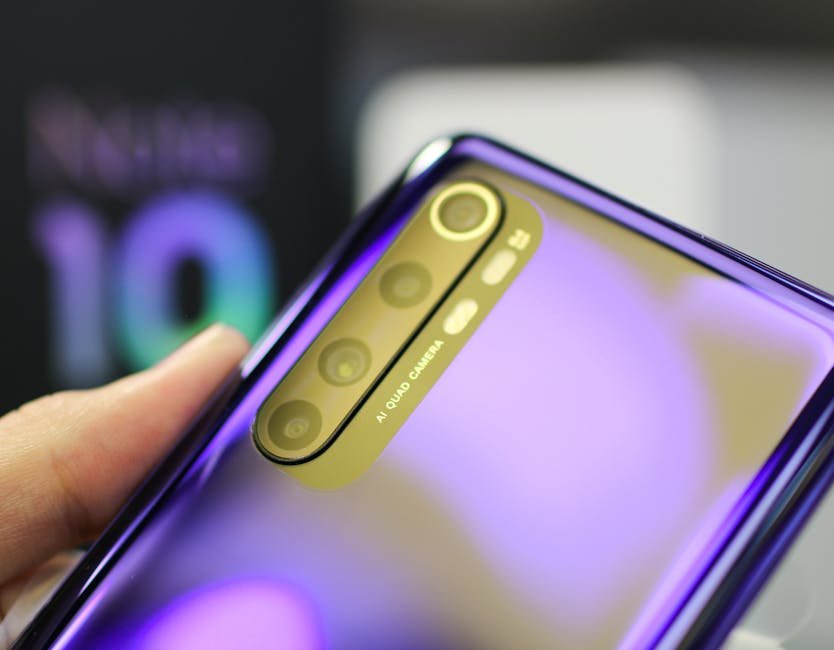

The world of photography has been revolutionized by cutting-edge AI camera features, transforming how we capture images and videos. Modern cameras, whether standalone devices or smartphone-integrated, now leverage advanced artificial intelligence to enhance photo quality, automate settings, and provide users with delightful experiences. Many photographers, whether they’re professionals or enthusiasts, are eager to understand these AI camera features and how they can confirm or amplify their creative visions. In this comprehensive guide, we will delve into the essential artificial intelligence functionalities integrated into today’s cameras, allowing users to take stunning photos effortlessly.
Understanding AI in Photography
AI technology in photography is primarily focused on image recognition and processing. These capabilities allow for significant advancements in features such as auto-focus, scene recognition, and image enhancement. For instance, a camera equipped with AI technology can automatically determine the best settings based on the scene it captures. By analyzing lighting conditions, subjects, and even facial expressions, these cameras make adjustments that usually require expert knowledge. This not only allows users to capture quality images faster but also elevates their creativity by removing the technical barriers traditionally associated with photography. Embracing AI camera features empowers photographers to explore new creative avenues without being limited by technical constraints.
Popular AI Camera Features
When discussing AI camera features, there are several standout functionalities that photographers appreciate. Each feature enhances image quality and user experience, ensuring that even amateur photographers can achieve professional results. Here are some of the most popular:
Automatic scene recognition refers to a camera’s ability to identify different environments and subjects. It can evaluate a scene and optimize settings seamlessly. AI-powered editing options help users enhance images with a single tap, making adjustments to brightness, contrast, saturation, and other elements based on intelligent algorithms. Face detection functionality makes it easy to focus and expose correctly while capturing portraits, ensuring every face in the frame is correctly highlighted. Object tracking ensures the camera keeps its focus on moving subjects, particularly useful in sports photography or videography. Low-light performance optimization allows cameras to excel in dim environments, producing clear images without excessive noise or grain.
How AI Enhances Image Quality
AI image processing is a game-changer in today’s photography landscape. This technology enhances the quality of images in several meaningful ways. Firstly, AI analyzes various image parameters and performs enhancements automatically. For example, it can minimize noise in low-light situations—a common challenge for many photographers. Secondly, AI functionality enables dynamic range adjustments, which means it can analyze the brightest and darkest areas of a photo, creating a more balanced and visually appealing image. Additionally, some cameras equipped with AI can produce HDR (High Dynamic Range) photographs by capturing multiple exposures and merging them into one stunning image.
The Future of AI Cameras
The future of AI camera features is promising, with continuous advancements on the horizon. Upcoming features may include real-time image adjustments that learn from a photographer’s previous choices, resulting in a tailored shooting experience. Additionally, as more cameras integrate with smart devices and the Internet of Things (IoT), photographers might enjoy enhanced connectivity and remote management capabilities. Furthermore, with the rise of machine learning, future devices could even anticipate user needs based on past behaviors, offering automated suggestions for shot compositions. This automation can significantly simplify the photography process while enhancing the final output, encouraging more individuals to engage in photography.
Intelligent Scene Recognition
One of the most exciting AI camera features is **intelligent scene recognition**. This technology analyzes the environment in real-time, identifying individual elements like landscapes, faces, and objects, adapting the camera settings for the best possible shot. For example, when you’re snapping a photo at a beach, the camera might automatically enhance colors and adjust exposure, ensuring the vibrant blues and sandy tones pop beautifully in your images. It’s almost like having a professional photographer right there with you!
Not only does this feature cater to casual photographers, but it also appeals to **advanced users** who want more control over their images. By understanding the context of the scene, the camera can suggest optimal settings or even filter options, enabling users to achieve the desired aesthetic. Whether you’re photographing a sunset or capturing a bustling city street, having the ability to utilize **AI-driven enhancements** takes the guesswork out of image capture, allowing you to focus on creativity rather than technical details.
AI-Powered Image Stabilization
Another groundbreaking development in AI camera technology is **AI-powered image stabilization**. Camera shake is the bane of many aspiring photographers, but with advanced algorithms and processing capabilities, many cameras can now achieve incredibly smooth footage and sharp images. Whether you’re filming a fast-paced sports event or capturing a serene landscape, this stabilization tech compensates for any movement, resulting in a professional-looking outcome.
Most high-end smartphones and cameras utilize multi-axis stabilization combined with AI learning to anticipate potential shake due to movements or vibrations. This means that even if you’re on the move—or if your hands aren’t particularly steady—you can still achieve stunning results. For enthusiasts eyeing **video content creation**, this feature is vital. It transforms amateur footage into engaging, fluid storytelling that resonates with viewers. It’s no surprise to find this tech being touted by film professionals and **content creators** alike, as it significantly elevates production quality without needing extensive, expensive gear.
Plus, AI image stabilization keeps evolving, with new updates regularly enhancing performance. As technology progresses, you can expect even more efficient systems that further minimize blur and maximize quality in every frame, pushing the boundaries of what’s possible in photography and videography. Interested in learning more? Check out platforms like Digital Trends and TechRadar for the latest insights on AI camera tech.
Frequently Asked Questions
1. What are AI camera features?
AI camera features are functionalities powered by artificial intelligence that enhance photo quality, automate settings, and detect scenes or subjects to optimize photography results.
2. How does AI improve image quality?
AI enhances image quality by optimizing settings automatically based on scene analysis, minimizing noise in low-light conditions, and adjusting dynamic range for better contrast in photographs.
3. Can AI cameras handle low-light conditions effectively?
Yes, many AI cameras offer low-light performance optimization that allows them to produce clearer images in dark environments, reducing grain and enhancing detail.
4. Are AI cameras suitable for beginners?
Absolutely, AI cameras make photography more accessible for beginners by automating technical settings, allowing users to focus more on creativity without worrying about complex adjustments.
5. What is the future of AI in photography?
The future of AI in photography includes more personalized experiences where cameras learn user preferences, real-time adjustments during shooting, and improved integration with smart devices for seamless operation.
Conclusion
In conclusion, AI camera features are truly transforming the photography landscape, enhancing accessibility and the quality of images captured. By automating intricate processes and providing users with intelligent insights, these features empower both amateur and professional photographers alike. As we continue to embrace technological advancements, understanding these artificial intelligence capabilities will be essential for anyone looking to elevate their photography skills.