
Digestive health is a vital aspect of overall well-being, yet many individuals struggle with digestive issues. Fortunately, there are effective home remedies for better digestion that can alleviate discomfort and enhance gastrointestinal function. These remedies often incorporate natural ingredients that help optimize the digestive process, making it easier for the body to break down food, absorb essential nutrients, and eliminate waste. Using a variety of beverages and foods can transform your digestive health without relying solely on medication. This article explores several home remedies tailored to improve digestion, reduce bloating, and promote gut health by providing natural solutions that you can easily implement in your daily routine.
Herbal Teas for Digestive Relief
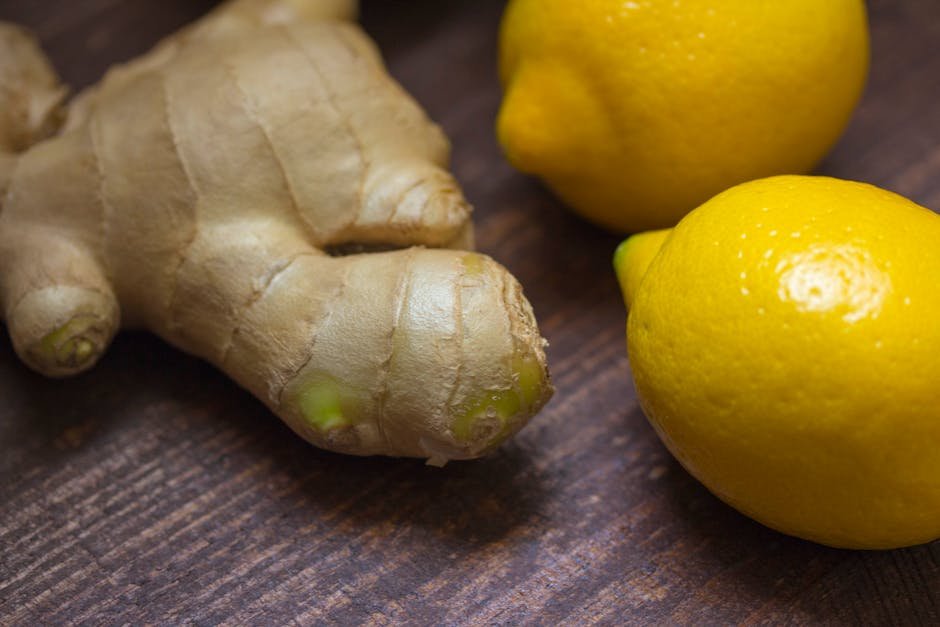
Herbal teas are among the most popular home remedies for better digestion. Ingredients like peppermint, ginger, and chamomile contain properties that can significantly enhance your digestive capabilities. Peppermint tea, known for its soothing effect, can help alleviate symptoms of indigestion and bloating. The menthol in peppermint promotes bile flow, facilitating the digestion of fats. Similarly, ginger tea aids in settling the stomach, reducing nausea, and stimulating saliva production, which is essential for proper digestion. Finally, chamomile tea can calm the stomach muscles and reduce inflammation, making it an excellent choice for those suffering from an upset stomach. Incorporating these herbal teas into your routine can be an effective way to improve digestion.
Probiotics and Fermented Foods
Another powerful home remedy is the inclusion of probiotics and fermented foods in your diet. Foods rich in probiotics, such as yogurt, kefir, and sauerkraut, can contribute significantly to gut health. Probiotics are live bacteria that help maintain a healthy balance of gut flora, which is essential for proper digestive function. Studies have shown that consuming probiotic-rich foods can prevent and alleviate symptoms associated with conditions like IBS (Irritable Bowel Syndrome). Regularly incorporating these foods into your meals not only enhances digestion but may also bolster your immune system by promoting a healthy gut microbiome.
Importance of Hydration
Hydration plays a crucial role in the digestive process, and drinking sufficient water is vital for better digestion. Water helps dissolve nutrients, making them accessible to the body and aiding in the smooth passage of food through the digestive tract. Without adequate hydration, our system can become sluggish, leading to issues like constipation. Aim to consume at least 8-10 glasses of water daily, and consider drinking warm water or herbal infusions to further enhance the digestive process. Adding a squeeze of lemon to your water can offer additional benefits as it stimulates bile production, assisting in fat digestion. Strive to create a habit of drinking water before meals to prepare your digestive system for the food intake.
Dietary Changes and Fiber Intake
Making dietary changes, particularly increasing your intake of dietary fiber, can have a profound impact on your digestion. Foods such as fruits, vegetables, and whole grains are rich in fiber, which aids in promoting regular bowel movements and preventing constipation. Soluble fiber helps to soften stools by absorbing water, while insoluble fiber adds bulk to the stool, facilitating its transit through the intestine. Incorporate foods like beans, oats, and chia seeds into your diet for optimal results. In addition, be mindful of the types of fats you include; opting for healthy fats, such as avocado and olive oil, can also support digestive health by reducing inflammation.
Word: Description of digestive processes, often connected with the health of the gastrointestinal tract.

Word: Probiotics are important microorganisms that support gut health and improve digestion.
Word: Fiber can be classified into soluble and insoluble, both of which contribute to digestive health.
Word: Inflammation in the digestive tract can affect absorption; consuming anti-inflammatory foods can help.

Word: Hydration is crucial as it aids the digestive system in breaking down food and absorbing nutrients.
Herbal Teas for Gut Health
If you’re looking for a soothing option to aid digestion, herbal teas can be your best friend. Teas made from ginger or peppermint are known for their digestive properties. Ginger tea, for instance, can relieve nausea and bloating, thanks to its anti-inflammatory qualities. Simply steep some fresh ginger in hot water for about ten minutes, and you’ve got a comforting drink that helps your gut.
Peppermint tea, on the other hand, works wonders for those experiencing spasms in the digestive tract. It relaxes the muscles of the gastrointestinal system, making it easier for food to pass through. Enjoy a cup after meals, and you might find that unpleasant feelings of fullness or gas dissipate more quickly. Adding a little honey can also enhance the flavor and provide additional soothing properties.

Apple Cider Vinegar: A Tangy Tonic
Apple cider vinegar (ACV) isn’t just a trendy kitchen staple; it’s a powerhouse for digestive health. When consumed before meals, a tablespoon can help stimulate digestive juices and enzymes, which might make your body more efficient at breaking down food. Mix it with water and a drizzle of honey for a tasty pre-meal drink. Just remember, it’s important to dilute it, as the high acidity can damage your teeth over time.
For some, taking ACV may help with conditions like acid reflux. Its alkalizing effect can balance stomach pH and reduce heartburn for many people. While there’s ongoing research, many who swear by its benefits suggest trying it for a few weeks to see if it makes a difference. Also, you might want to look into recipes using ACV in dressings or marinades, which can add flavor and contribute to your digestive wellness simultaneously.
Frequently Asked Questions
1. What are some common symptoms of digestive issues?
Common symptoms include bloating, gas, indigestion, constipation, and diarrhea. These conditions can arise due to various factors, including poor diet, stress, and underlying health issues.
2. How do I know if I need more fiber in my diet?
If you experience irregular bowel movements or constipation, it may indicate that you need to increase your fiber intake. Aim for at least 25 grams for women and 38 grams for men per day.
3. Can dehydration affect digestion?
Yes, dehydration can lead to constipation and sluggish digestion. Ensure you are drinking enough water throughout the day to support optimal digestive function.
4. How long does it take for home remedies to improve digestion?
Results can vary, but many people notice an improvement in digestion within a few days to weeks of consistently implementing home remedies into their diet.
5. Are there any foods I should avoid for better digestion?
Yes, highly processed foods, those high in sugar, and excessive fatty meals may hinder digestion. It’s best to limit these foods to promote a healthier gut.
Conclusion
Improving digestion naturally is within your reach through simple home remedies. Incorporating herbal teas, probiotics, hydration, and fiber-rich foods into your daily regimen significantly enhances your gastrointestinal health. With consistent effort and attention to dietary choices, you can support your digestive system and minimize discomfort, fostering a healthier lifestyle.
Primary Focus Keyword: home remedies for better digestion
Secondary Keywords: digestive health, gut health, probiotics
Meta Description: Discover effective home remedies for better digestion, including herbal teas, probiotics, and hydration tips to enhance your gut health naturally.