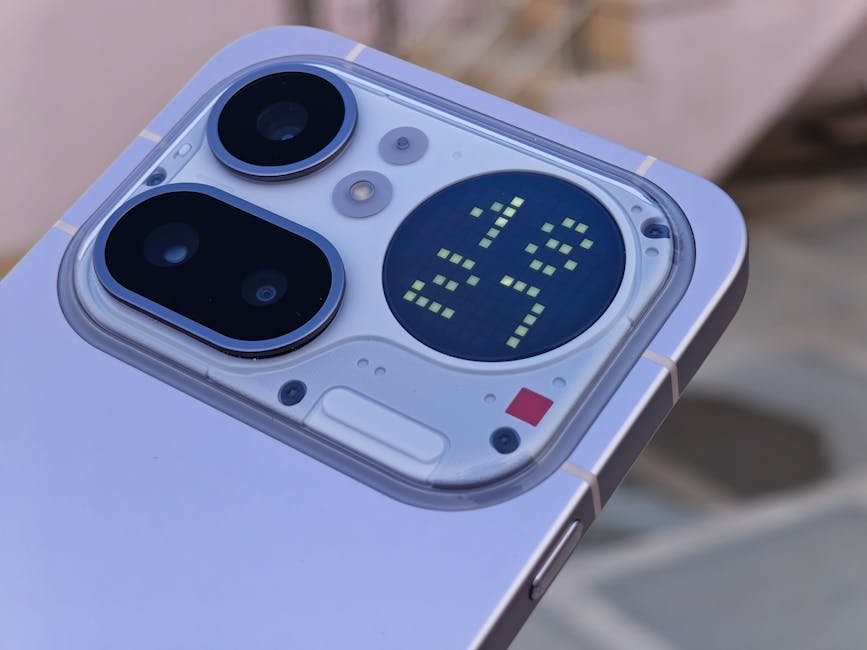

In today’s fast-evolving tech landscape, AI in modern smartphones has become an integral component, revolutionizing how we interact with our devices. The incorporation of artificial intelligence enables smartphones to offer a more user-centric experience through advanced functionalities. From predictive text to intelligent personal assistants, the capabilities of AI technology enhance the overall usability and efficiency of smartphones. As consumers become increasingly reliant on their devices for everyday tasks, the demand for sophisticated AI-driven features has surged. This article will explore the various applications of AI in smartphones, shedding light on how these innovations create seamless experiences for users.
AI-Powered Personal Assistants
One of the most prominent uses of AI technology in smartphones is the development of intelligent personal assistants. Popular options like Siri from Apple and Google Assistant leverage natural language processing to understand user commands. This technology enables devices to carry out functions like making calls, sending texts, scheduling reminders, and providing real-time information about the weather or traffic. The system continuously learns from user interactions, improving its accuracy and understanding over time. With the integration of voice recognition, these personal assistants offer users a hands-free way to command their smartphones, highlighting the impact of AI on everyday convenience.
Image Recognition and Enhancement
Another significant application of AI in modern smartphones is in the realm of photography. AI algorithms enhance photo quality by managing exposure, brightness, and color adjustments, enabling users to capture stunning images effortlessly. Advanced models now offer features like facial recognition, which not only allows for fast unlocking of devices but also enhances social media experiences through tagging and organizing photos. These AI capabilities extend to editing functions, where smart filters and adjustments can make simple edits into professional-quality portraits. This demonstrates how AI technology can transform the way we capture and share our life moments.
Smart Battery Management
Smartphones equipped with AI also benefit from improved energy efficiency through intelligent battery management systems. These systems learns user habits and app usage patterns, optimizing energy consumption by limiting background applications and reducing screen brightness when not in use. For instance, the Qualcomm Snapdragon processors incorporate AI algorithms that enhance battery life significantly compared to traditional methods. By prioritizing essential tasks and managing power usage, users can enjoy longer device uptime without frequent charging, illustrating the practical value of artificial intelligence in enhancing device longevity.

Moreover, AI-powered features like portrait mode extract the subject from the background, creating a pleasing depth-of-field effect—something that was once exclusive to high-end cameras. By analyzing facial features and understanding lighting, smartphones can now create stunning backgrounds, even simulating effects like bokeh. Need a quick edit? AI tools can identify and enhance specific elements of your photo, allowing you to focus on what’s important. Explore apps like Luminar AI, which takes image editing to the next level with personalized AI suggestions.
AI in Voice Assistants
Voice assistants like Siri, Google Assistant, and Alexa have revolutionized how we interact with our smartphones. Powered by advanced natural language processing (NLP) algorithms, these assistants can understand and respond to user queries with remarkable accuracy. Just ask for directions, set a reminder, or play your favorite playlist, and the AI quickly grasps your intent. The underlying machine learning models get better with use, learning from your commands and personalizing responses, making the experience feel almost conversational.
Additionally, AI contributes to hands-free control, enabling you to multitask efficiently. Imagine cooking and needing to set a timer or find a recipe; your voice assistant can do that effortlessly. Integrating AI into smartphones enhances accessibility for people with disabilities, allowing them to perform various tasks without needing to touch the phone. Apps like Open Voice Interface take these capabilities further, offering customized solutions for specific needs.
Smart Security Features
Security is another vital area where AI excels in smartphones. With the rise of biometric authentication methods, such as facial recognition and fingerprint scanning, AI plays a crucial role in ensuring secure access. Utilizing advanced algorithms, smartphones can accurately identify a user’s face or fingerprint, minimizing the chances of unauthorized access. This AI-driven security provides peace of mind, knowing that your personal information is protected.
Furthermore, AI-powered malware detection systems actively monitor app behavior, identifying anomalous activity that could signal a security breach. These systems constantly learn from new data, becoming increasingly adept at spotting threats. For more detailed insights, platforms like Kaspersky offer in-depth security services that leverage AI to keep your smartphone safe from evolving cyber threats.
Frequently Asked Questions
1. What are the main applications of AI in smartphones?
AI in smartphones encompasses various applications, including personal assistants, image enhancement, battery management, and security features. Each of these functionalities aims to improve user experience and efficiency.
2. How does AI improve smartphone photography?
AI enhances smartphone photography by automating adjustments to exposure and color, providing intelligent editing options, and enabling features such as facial recognition for better organization and tagging of photos.
3. Can AI help extend battery life on smartphones?
Yes, AI optimizes battery usage by learning user behavior, prioritizing essential tasks, and managing background apps, which collectively lead to more efficient energy consumption and longer battery life.
4. How secure are AI-driven biometric authentication systems?
AI-driven biometric systems are highly secure, as they adapt and learn from user behavior, making unauthorized access extremely challenging. They also flag any unusual activities, adding another layer of security.
5. Are AI features present in all modern smartphones?
Most modern smartphones incorporate some level of AI features; however, the complexity and effectiveness can vary between models and brands. High-end devices generally offer more advanced AI functionalities.
Conclusion
AI has fundamentally transformed how we use smartphones today, enhancing everything from personal interactions to security systems. The integration of artificial intelligence continuously shapes a smarter, more intuitive user experience that addresses consumers’ evolving needs. As technology continues to advance, the potential applications of AI in smartphones are likely to expand, promising exciting developments that will enrich our daily lives.