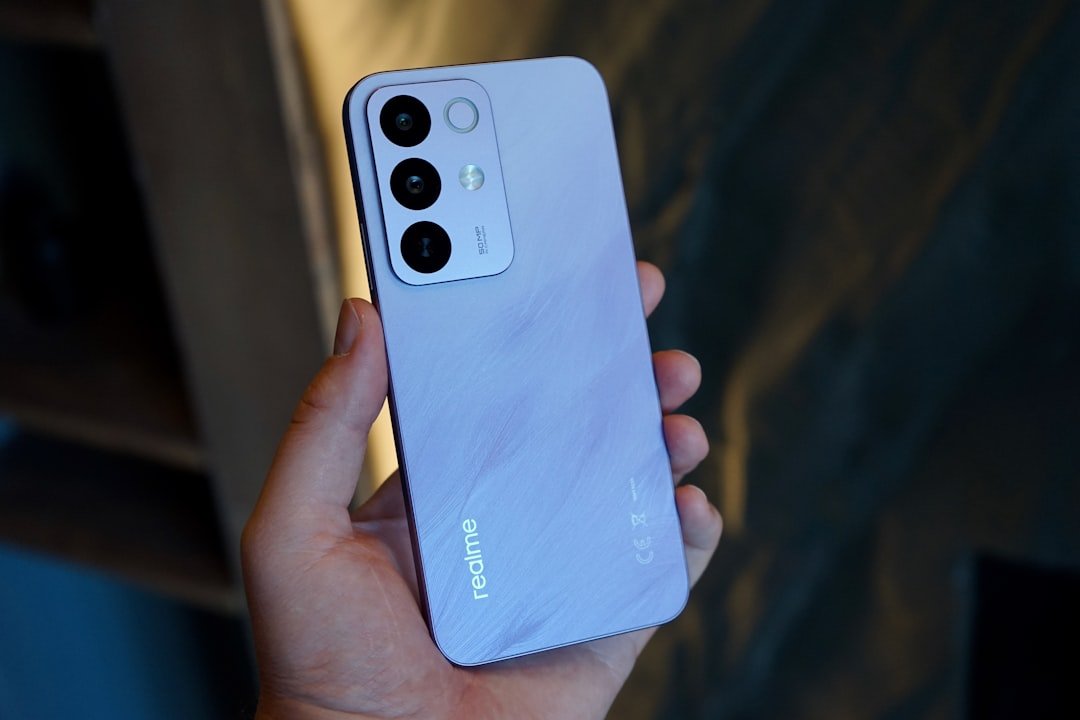

The advent of mobile photography has transformed how we capture and share our experiences. Today’s smartphones are equipped with sophisticated cameras that rival traditional DSLRs, making it easier than ever to engage in creative expression. A powerful element driving this change is the integration of artificial intelligence (AI) into photography apps and smartphone technology. With AI, enthusiasts and professionals alike can enhance their photographic skills without needing extensive technical knowledge. This innovation allows users to optimize image quality, adjust settings automatically, and even edit photos in real-time, which is particularly advantageous for mobile photography. As a result, more individuals are exploring the world of photography, showcasing their unique perspectives with just a click of a button.
Understanding AI in Mobile Photography
The concept of AI in mobile photography is centered on the use of algorithms and machine learning to improve image capture and processing. Modern smartphones incorporate advanced technologies that analyze scene elements and automatically adjust camera settings for optimal results. For instance, features like smart HDR (High Dynamic Range) ensure that both highlights and shadows are clearly defined, leading to visually stunning images. Additionally, AI can assist in recognizing subjects, allowing for better focus and exposure adjustments. Some apps even offer real-time enhancements, such as background removal or facial recognition, thus streamlining the editing process.
The Impact of AI on Photo Editing
AI tools enhance mobile photography not only during the capture process but also significantly transform the photo editing stage. Advanced editing applications such as Adobe Lightroom leverage AI to propose editing recommendations based on the content of the image. This includes automatic adjustments for brightness, contrast, and saturation, allowing users to achieve professional-grade results without prior experience. Furthermore, AI-driven apps can utilize neural networks to add artistic filters or effects, providing users with countless creative options. The ability to edit images quickly and effectively empowers mobile photographers to stay relevant in a visually-driven culture.
Key Features of Mobile Photography AI
The integration of AI into mobile photography introduces several exciting features:
Scene Recognition: AI analyzes the scene being captured, applying the best settings for optimal results – whether you’re taking a portrait, landscape, or night shot.
Automatic Enhancements: Real-time adjustments allow for immediate improvements, such as enhancing low-light photos or correcting colors in harsh lighting conditions.
Smart Filters: AI technology applies filters and effects intelligently, offering unique artistic styles tailored to the image’s context.
Facial Recognition: This feature helps in focusing on subjects, ensuring that portraits are well-lit and sharply captured, which is especially useful for group photos.
Image Stabilization: AI algorithms analyze image movement and vibrations to ensure clearer photographs in any situation, reducing the risk of blurry images.

Advantages of AI in Mobile Photography
The advantages of incorporating AI into mobile photography are numerous and significant. Firstly, these tools reduce the learning curve for aspiring photographers, allowing them to capture high-quality images with minimal effort and expertise. Moreover, AI technology enhances the overall creative process by minimizing tedious tasks, enabling photographers to focus more on composition and storytelling. Additionally, the versatility of AI-driven applications means that users can explore various styles and techniques, thus broadening their creative horizons. Ultimately, AI in mobile photography empowers individuals to express their creativity without limits, democratizing photography for everyone.
Enhancing Your Mobile Photography with AI Tools
Mobile photography has evolved rapidly, with AI technologies pushing the boundaries of what’s possible. With just a few taps, you can use apps powered by AI to enhance your photos significantly. Consider tools like Adobe Lightroom Mobile, which employs AI algorithms to help you edit your photos effortlessly. Features like auto-enhance or AI-generated presets make it easy for anyone to capture stunning photographs without requiring extensive technical knowledge.
Moreover, apps that utilize AI can analyze your images and provide real-time suggestions on how to improve them. For instance, Snapseed offers a variety of filters and adjustments based on AI analysis. This means you get personalized recommendations tailored to your specific photograph, leading to a unique editing experience. Whether you’re a beginner or a seasoned photographer, these AI tools can save time while enhancing your photo quality.
AI-Fueled Creativity in Mobile Photography
Let’s face it: creativity can sometimes hit a wall, and that’s where AI can be a game-changer. Apps like Runway ML offer generative tools that allow you to transform your images into works of art by simply using your smartphone. Imagine applying a Van Gogh-like filter to a sunset photo in seconds! This not only gives you a unique product but also sparks inspiration for your next mobile photography project.
Additionally, AI poses new possibilities for storytelling through photography. With features such as Algorithmia, photographers can create narratives by combining images and video clips into short, dynamic stories. By leveraging AI to automate certain processes, you can focus more on the creative aspects, allowing for deeper exploration in your work. Think about infusing your portraits with AI-generated backgrounds or creating surreal landscapes—all right from your mobile device!
Frequently Asked Questions
1. How does AI improve mobile photography?
AI enhances mobile photography by optimizing camera settings, adjusting exposure, and providing real-time editing suggestions for improved image quality.
2. Are AI apps suitable for professional photographers?
Yes, many professional photographers use AI tools to streamline their workflow and achieve high-quality results quickly, even in fast-paced situations.
3. Can AI replace traditional photography skills?
While AI enhances many aspects of photography, traditional skills remain essential for understanding composition, lighting, and storytelling.
4. What are some top AI photography apps available?
Some popular AI photography apps include Luminar, Adobe Lightroom, and Pixaloop.
5. Is AI in mobile photography only for smartphones?
While primarily associated with smartphones, AI technology is also being integrated into digital cameras, providing enhanced features across various platforms.
Conclusion
Mobile photography has evolved dramatically with the advancement of AI, opening new avenues for creativity and expression. This technological integration not only enhances the capturing and editing processes but also allows aspiring photographers to explore their unique visions. With the combination of reliable performance and intuitive interfaces, AI tools empower users to step into the world of photography effortlessly. Embracing this technology can elevate the mobile photography experience, making it more accessible and enjoyable for everyone.