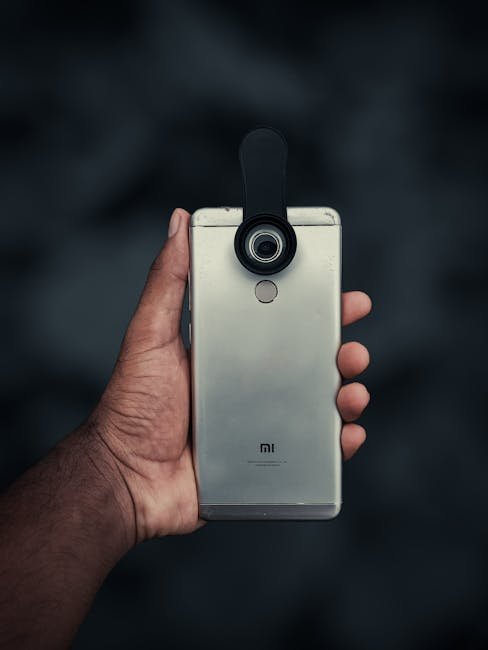

The world of mobile photography is evolving rapidly, with new innovations in mobile cameras emerging almost daily. Every year, smartphone manufacturers push the boundaries of technology, enabling users to capture stunning images. With features like computational photography, AI enhancements, and optical zoom advancements, modern mobile cameras are not only competing with traditional DSLRs but overtaking them in several key aspects. The integration of workflows, enhanced software, and hardware improvements have transformed the mundane task of taking photos into an enchanting experience. In this article, we will explore the latest trends and breakthroughs that are making mobile photography more exciting and accessible than ever.
The Rise of Computational Photography
One of the most significant breakthroughs in mobile camera technology is *computational photography*—the use of advanced algorithms and software to enhance images. This involves techniques like HDR (High Dynamic Range), which allows photographers to capture more light details by combining multiple exposures into one. With brands such as Apple and Google leading the charge, smartphones are equipped with enhanced sensors and sophisticated software that intelligently adapts images for optimal quality. This technology allows users to take stunning photos even in challenging lighting conditions like dusk or bright sunshine.
AI Features Revolutionizing Mobile Photography
The implementation of AI (Artificial Intelligence) is a game-changer for mobile cameras. By analyzing various elements such as lighting, subject matter, and even user habits, AI algorithms can suggest optimal camera settings and compositions. For example, the *Night Mode* feature, found in smartphones like the Samsung Galaxy S21, utilizes AI to brighten images taken in low-light environments while reducing noise effectively. Furthermore, features like object recognition enhance image quality by automatically adjusting settings based on the subject, whether it be a person, a pet, or a landscape.
Enhanced Optical Zoom Capabilities
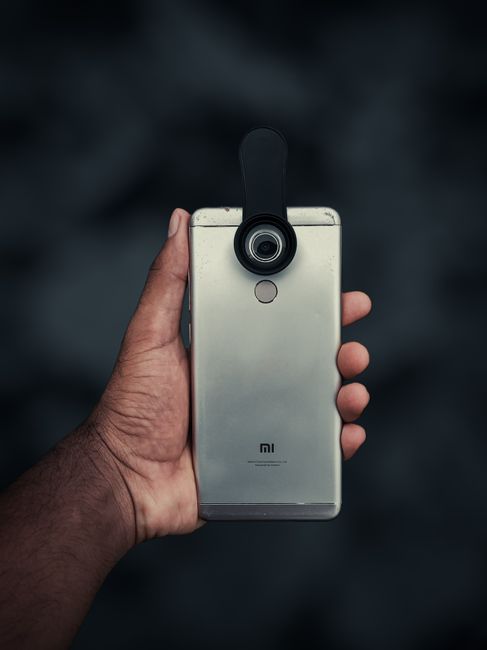
Previously, optical zoom was a feature exclusive to professional cameras, but new mobile innovations are changing that narrative. Modern smartphones now offer advanced zoom functionalities that rival traditional cameras. Devices like the Huawei P50 Pro provide up to 100x digital zoom through innovative lens technology, allowing photogs to capture detailed snapshots from considerable distances. The introduction of lens stacking, where multiple lenses work together, has dramatically improved image clarity. This technology utilizes flexible lenses to enhance zoom without sacrificing quality, making it easier for users to achieve incredible shots.
Improvements in Video Capabilities
As mobile users increasingly share videos on platforms like Instagram and TikTok, the demand for high-quality mobile video recording has surged. This has prompted smartphone manufacturers to incorporate advanced video capabilities into their devices. Features such as 4K resolution at 60 fps, slow-motion recording, and even 8K recording have become standard in flagship models like the Sony Xperia 1 II. Additionally, technologies like *image stabilization*, available in smartphones such as the OnePlus 9, ensure smooth recording by compensating for camera shake. This focus on video quality reflects the growing trend of mobile videography.
AI-Powered Photography Enhancements
The latest mobile cameras are increasingly incorporating artificial intelligence (AI) to elevate photography experiences. These advancements aren’t just buzzwords; they actually transform how photos are captured, edited, and shared. For instance, AI algorithms can analyze scenes in real-time, adjusting exposure and focus instantly. This not only helps in capturing sharper images but also enables smartphones to recognize different scenarios, like landscapes or portraits, adapting the settings automatically for optimal results. Have you ever taken a picture only to realize it was too dark? AI can minimize such occurrences by intelligently enhancing the lighting, making it so much easier for the average user.

One fascinating feature enabled by AI is computational photography. This technique allows for stunning results, even in challenging lighting conditions. Imagine the last time you were at a dimly-lit restaurant trying to capture that perfect food shot—if your mobile camera uses computational techniques, it’s likely that it combined multiple exposures to create a single image that looks natural and well-lit. Brands like Apple and Samsung are leading the charge in these innovations, proving that your next favorite photo might just originate from your pocket.
Advanced Zoom Capabilities and Optical Features
Zoom features have undoubtedly seen the most significant strides in recent mobile camera technology. The trend of moving from traditional optical zoom to hybrid and digital zoom options is changing the game. Advanced smartphones now offer multiple lenses, allowing for real optical zoom without significant quality loss. This is crucial for any avid photographer looking to capture distant subjects, whether it’s wildlife in nature or a friend at a concert. Brands like Huawei have adopted periscope-style lenses that enable up to 10x optical zoom, giving you that added creative edge.

Another exciting development is in macro photography. A lot of recent models are now equipped with dedicated macro lenses that bring tiny details to life. You can capture everything from intricate patterns on a butterfly’s wing to the delicate structure of a flower petal. This enhancement fills a niche in mobile photography that many amateurs and professionals alike are thrilled about. Companies like Google are also integrating software tricks to enhance macro photography experiences, ensuring that even the smallest details can be captured effortlessly. If you’ve been underestimating your mobile device’s capability, it might be time to unleash your creativity.
Frequently Asked Questions
1. What makes computational photography different from traditional photography?
Computational photography uses algorithms to analyze and enhance images, while traditional photography relies on the photographer’s skill and camera settings to capture an image.
2. How does AI improve mobile photography?
AI analyzes various elements such as lighting and scene conditions, automatically adjusting camera settings for the best possible photos, even in challenging situations.
3. What are the benefits of optical zoom in mobile cameras?
Optical zoom allows for higher-quality images at a distance compared to digital zoom, as it involves the physical adjustment of camera lenses rather than cropping the image electronically.
4. Can smartphones really replace traditional cameras for professional photography?
While traditional cameras still hold advantages, advancements in smartphone technology are making it increasingly possible for mobile cameras to meet professional photography needs.
5. What role does video quality play in mobile camera features?
With the rise of social media and content sharing, high video quality has become essential, leading manufacturers to enhance video recording capabilities in modern smartphones significantly.
Conclusion
In closing, new innovations in mobile cameras have transformed the way we capture and share life’s moments. As technologies like computational photography, AI enhancements, advanced optical zoom, and improved video capabilities continue to evolve, users enjoy the thrill of photography at their fingertips. Smartphones are redefining the landscape of mobile photography, providing tools that empower everyone from casual users to serious photographers to create visually stunning content. By embracing these advancements, we can expect even more thrilling developments in the future of mobile cameras.
Primary Focus Keyword: new innovations in mobile cameras
Secondary Keywords: mobile photography, computational photography, optical zoom
Meta Description: Discover the latest innovations in mobile cameras, including computational photography and advanced AI features, revolutionizing how we capture stunning images today.