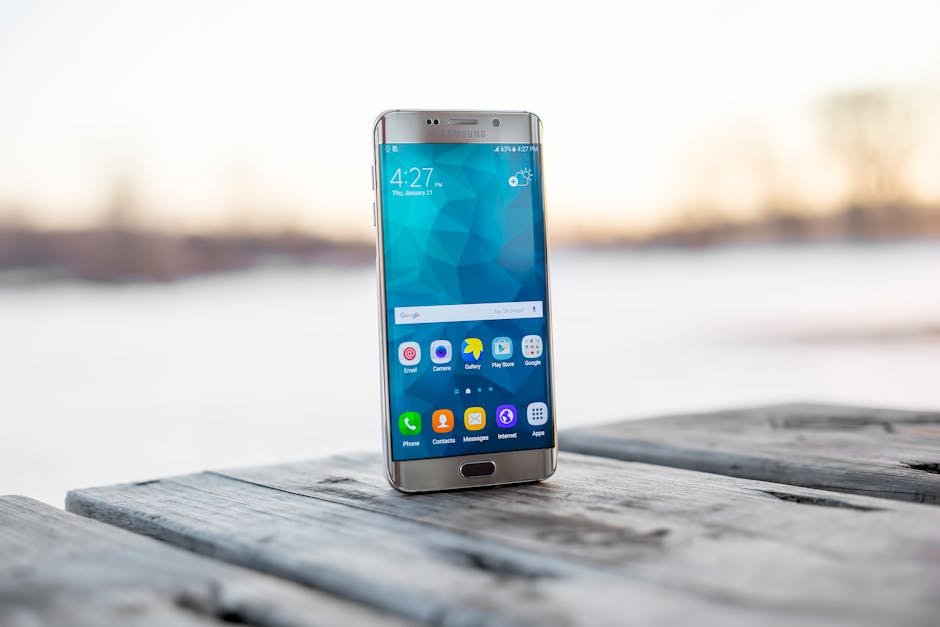

The constantly evolving landscape of mobile display technologies is set to transform how we interact with our devices. With numerous advancements in OLED, microLED, and miniLED displays, manufacturers are pushing the boundaries of screen technology to enhance user experience. These next-gen innovations promise superior color reproduction, higher brightness, and thinner designs, revolutionizing everything from smartphones to tablets and foldable devices. This article delves into the latest advancements in mobile display technologies, providing insights into what makes them stand apart from traditional options. The future of mobile displays is not just brighter; it’s more vibrant and immersive than ever before.
Understanding OLED Technology in Mobile Displays
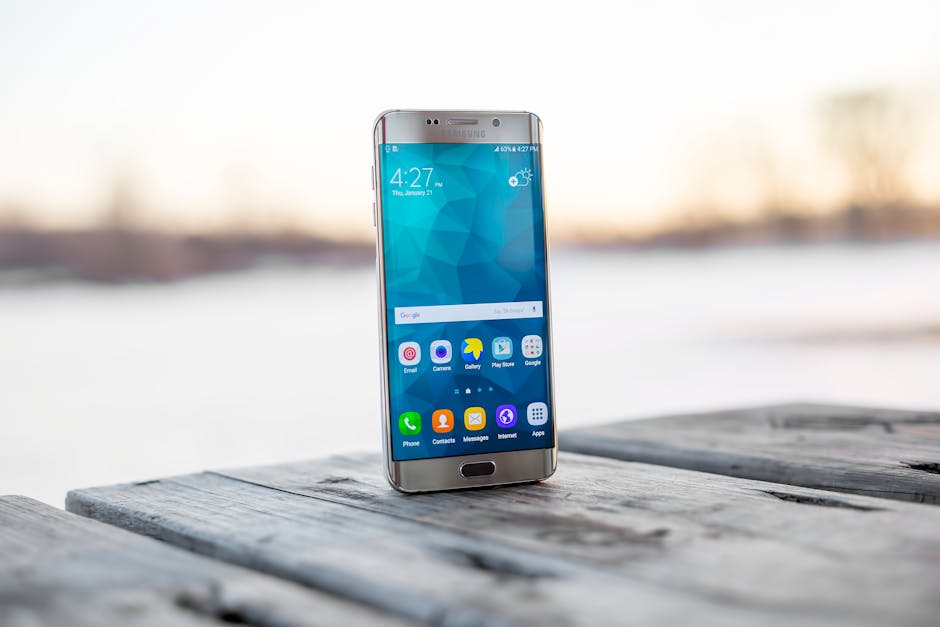
Organic Light Emitting Diode (OLED) technology has been a game-changer in mobile displays. Unlike traditional LCDs, which require backlighting, OLED panels emit their own light from organic compounds. This results in deeper blacks and higher contrast ratios, providing a more stunning visual experience. Additionally, OLED displays are incredibly thin and flexible, which paves the way for innovative designs, such as curved screens and foldable devices. Leading manufacturers like Samsung and Apple have integrated OLED technology into their flagship models to meet consumer demand for superior display quality. As more brands adopt OLED technology, its advantages over traditional LCDs become increasingly evident, with low power consumption being a significant benefit during extended use.
The Rise of MicroLED Displays
MicroLED technology represents the next frontier in display innovation. Unlike OLED, MicroLED uses tiny, self-emitting micro-sized LEDs to create images. This technology boasts several advantages, including better brightness levels, lower power consumption, and longevity compared to OLED panels. With faster response times and higher pixel density, MicroLED technology has gained traction in both the smartphone and TV markets. Companies like Apple and Sony are investing heavily in MicroLED as they seek to offer users a more immersive viewing experience. Future enhancements promise to make MicroLED displays even more efficient and versatile, potentially paving the way for new form factors in mobile devices, especially in augmented reality applications.
Exploring MiniLED Technology’s Impact
MiniLED technology serves as a bridge between traditional LCD screens and OLED displays. By utilizing thousands of tiny LEDs for backlighting, MiniLED enhances brightness and contrast levels while retaining the structured format of LCDs. This technology is increasingly displaying its relevance in high-end tablets and laptops, where uniform brightness and deep blacks are pivotal for creative professionals. Not only does MiniLED offer improved HDR performance, but it also provides a less expensive alternative to OLED screens, making premium visuals accessible to a broader audience. Leading tech companies are incorporating MiniLED into their devices, positioning it as a revolutionary solution for modern displays.
Benefits of Next-Gen Mobile Displays for Users
The transition to next-gen mobile display technologies will undeniably benefit users in numerous ways. Understanding the key advantages can help consumers make informed choices in their future device purchases:
1. Superior Image Quality: Innovations in OLED, MicroLED, and MiniLED provide richer colors and sharper images.
2. Increased Durability: These newer technologies are less prone to burn-in and other common display issues.
3. Enhanced Portability: Thinner panels allow for sleeker designs and lighter devices.
4. Energy Efficiency: Improved power management features lead to longer battery life and reduced energy consumption.

5. Versatile Form Factors: Flexible display technologies enable innovative designs such as foldable and rollable devices.
Advancements in OLED Technology
Organic Light Emitting Diode (OLED) technology has undergone significant advancements, pushing the boundaries of what mobile displays can achieve. The latest versions of OLED screens deliver vibrant colors and incredible contrast ratios that enhance viewing experiences. With each pixel capable of emitting its own light, OLED displays feature deep blacks and a wide color gamut, making them ideal for streaming movies or playing graphics-intensive games. As a result, manufacturers like Samsung and Apple continue to invest heavily in refining this technology.
Moreover, the latest innovations include flexible OLED screens that allow for curved and rollable designs. Imagine a smartphone that can unfurl into a tablet or wrap around your wrist! Companies like LG are already experimenting with these designs, showcasing the practicality and appeal of OLED in next-gen devices. The ultra-slim profiles of OLED panels also lead to lighter, more portable devices that attract consumers looking for convenience.

MicroLED: The Rising Star
While OLED has dominated the mobile display market, MicroLED technology is emerging as a formidable contender. MicroLED panels consist of tiny, individual light-emitting diodes that offer exceptional brightness and energy efficiency. Unlike OLED, MicroLED doesn’t suffer from burn-in, making it a more durable option for continuous use. It can easily provide a longer lifespan, making it particularly appealing for high-end smartphones and devices that require prolonged display usage, like TCL and Xiaomi.
Furthermore, MicroLED technology allows for ultra-high resolutions even at larger screen sizes, making it a perfect fit for immersive gaming and multimedia experiences. With brands pouring investments into research and development, such as 8K Association, we can expect to see MicroLED’s potential realized in consumer devices soon. The transition to this technology may redefine how we experience media on the go, emphasizing the importance of investing in robust display technologies.
Frequently Asked Questions
1. What is the primary difference between OLED and MicroLED?
The main distinction lies in their construction; OLED uses organic compounds to emit light, while MicroLED utilizes small inorganic LEDs. This results in better brightness and durability for MicroLED displays.
2. Are MiniLED displays better than traditional LCDs?
Yes, MiniLED technology enhances brightness, contrast, and HDR capabilities, making it a superior choice compared to traditional LCD displays.
3. What advancements can we expect in foldable displays?
With ongoing research in OLED and MicroLED, future foldable displays will feature improved durability, better screen quality, and lighter weights.
4. How does backlighting improve image quality?
Backlighting enhances overall color accuracy and contrast, especially in MiniLED displays, where thousands of tiny LEDs provide localized dimming for better HDR performance.
5. Will next-gen technologies be available in budget devices?
As manufacturing processes improve and technologies become more mainstream, we can expect to see cost-effective options integrating OLED and MiniLED displays in budget devices.
Conclusion
The advent of next-gen mobile display technologies such as OLED, MicroLED, and MiniLED marks a transformative period in the mobile technology sphere. While each technology presents unique advantages, they collectively enhance user experiences through superior visual quality, energy efficiency, and innovative designs. As consumer demand for high-quality displays continues to surge, manufacturers are committed to integrating these advanced technologies into their devices, paving the way for the future of mobile displays.
Primary Focus Keyword: Next-Gen Mobile Display Technologies
Secondary Keywords: OLED, MicroLED, MiniLED
Meta Description: Discover the latest advancements in next-gen mobile display technologies like OLED, MicroLED, and MiniLED that are redefining user experiences in smartphones and other devices.