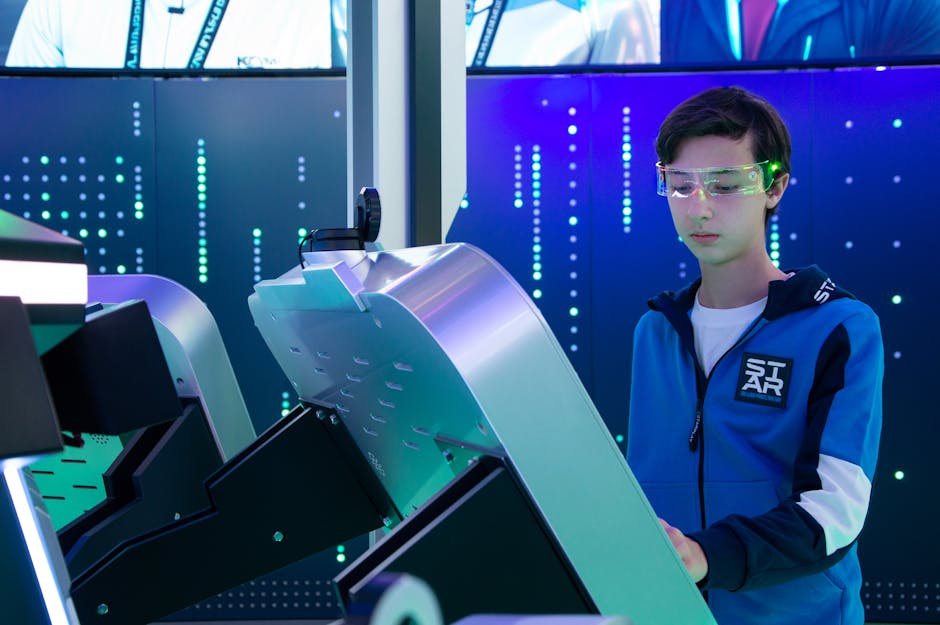

As the world rapidly evolves with technological advancements, smart glasses have emerged as a revolutionary tool in the tech landscape. These innovative devices are not just a fashion statement; they are designed to enhance real-world experiences through seamless mobile integration. By connecting smart glasses with smartphones and other devices, users can access digital information while remaining in their physical environment. This integration transforms the way we interact with technology, making it an essential topic for anyone interested in cutting-edge innovations.
Understanding Smart Glasses: Features and Benefits
Smart glasses offer a plethora of features that make them an appealing option for tech-savvy individuals. From augmented reality to real-time notifications, these devices can significantly enhance user experience. The primary function of smart glasses is to overlay digital information onto the user’s field of vision, which enables hands-free operation and reduces distractions. Furthermore, the combination of smart glasses and mobile integration boosts productivity, as users can easily manage tasks while enjoying a more immersive experience. Moreover, fitness enthusiasts can leverage these glasses for tracking their performance metrics during workouts. This dynamic functionality illustrates why smart glasses are becoming increasingly integral to daily life.
Mobile Integration: A Game Changer for Smart Glasses
The effectiveness of smart glasses heavily relies on mobile integration. By synchronizing with smartphones, users can receive notifications, access applications, and even make hands-free calls directly from their smart glasses. This integration eliminates the need to constantly check phones, enabling more fluid interaction with both digital and physical worlds. Notably, apps offering voice command functionality can greatly enhance how users interact with their devices. For instance, using voice-activated assistants such as Siri or Google Assistant can streamline daily tasks, making these technologies invaluable for multitaskers.
The Future of Smart Glasses in Everyday Life
As the demand for wearable technology increases, the future of smart glasses is becoming increasingly intertwined with mobile integration. Companies like Google and Snap are continuously working on improving features, such as longer battery life, enhanced camera capabilities, and more user-friendly interfaces. The integration of artificial intelligence into smart glasses software promises to tailor user experiences based on preferences and habits, making interactions even more seamless. Additionally, industries such as education and healthcare are exploring the potential of smart glasses to deliver guided instructions and telemedicine services, respectively, highlighting their versatility and groundbreaking applications.
Key Terms Associated with Smart Glasses
To better understand the landscape of smart glasses and their mobile integration, here are some essential terms:
Augmented Reality: A technology that superimposes digital information onto the real world.

Wearable Technology: Devices designed to be worn, integrating technology into everyday items.
Hands-free Operation: Performing tasks without the need to physically manipulate a device, enhancing multitasking capabilities.
Voice Command Functionality: A feature that allows users to execute commands through spoken language.

Artificial Intelligence: The simulation of human intelligence processes by machines, enabling tailored user experiences.
The Future of Wearable Technology
Smart glasses are rapidly becoming a pivotal player in the realm of wearable technology. They not only offer hands-free operation but also seamlessly integrate with mobile devices, enhancing our everyday experiences. Imagine scrolling through your notifications or adjusting your smart home settings all while your hands are free. This kind of mobile integration helps streamline tasks, making your life more efficient. With an increasing number of apps designed specifically for smart glasses, users can interact with their favorite platforms like never before.
For instance, companies like Microsoft are showcasing how smart glasses can enhance workplace productivity. These devices allow users to view schematics, collaborate in real-time, and access vital data without diverting their attention from hands-on tasks. This level of interactivity is revolutionizing industries from healthcare to construction, as professionals can now focus on their work while still being connected.

Mobile Apps Driving Smart Glass Functionality
The integration of mobile apps with smart glasses is not just about notifications; it’s about expanding the capabilities of these devices. Custom applications designed for smart glasses provide features like augmented reality overlays, real-time translation, and access to essential metrics, all delivered right to your line of sight. Take, for example, the Google Glass; it has tapped into a niche market for developers to create apps that enhance the user experience significantly.
Moreover, companies like Snap are setting trends with innovative apps that allow users to create and share content in a completely new dimension. With smart glasses, the line between reality and digital content blurs, offering unique social experiences. From social media integration to interactive games, the potential for creativity and connectivity is endless.
As smart glasses become more commonplace, the synergy between mobile apps and these devices will only deepen. Developers are likely to explore new functionalities that take advantage of augmented reality and artificial intelligence. Users can expect dynamic environments where their smart glasses not only complement their smartphones but also enhance their overall digital ecosystem, creating a more immersive experience.
Frequently Asked Questions
1. What are smart glasses used for?
Smart glasses can be used for various applications, such as augmented reality experiences, navigation, fitness tracking, and hands-free communication.
2. How do smart glasses integrate with mobile devices?
Smart glasses can connect to smartphones via Bluetooth, allowing users to access notifications, apps, and even make calls seamlessly while wearing the glasses.
3. Are smart glasses comfortable for everyday use?
Most smart glasses are designed for comfort and can be worn for extended periods. However, individual preferences and styles can affect comfort levels.
4. Can you use smart glasses for gaming?
Yes, many smart glasses support gaming apps and virtual reality experiences, providing an immersive gaming environment.
5. What are the advantages of mobile integration in smart glasses?
Mobile integration allows for real-time notifications, hands-free operation, and easy access to various applications, which significantly enhances user productivity and convenience.
Conclusion
In summary, the intersection of smart glasses and mobile integration represents a significant leap forward in how we engage with technology. With the ability to enhance productivity, streamline communication, and even transform industries like healthcare, the potential applications are vast. It’s clear that as advancements continue, the adoption of smart glasses will not only redefine personal and professional landscapes but also shape the future of technology as a whole.
Primary Focus Keyword: smart glasses and mobile integration
Secondary Keywords: wearable technology, augmented reality, voice command functionality
Meta Description: Discover how smart glasses and mobile integration are transforming technology, enhancing productivity, and redefining user experiences in our daily lives.