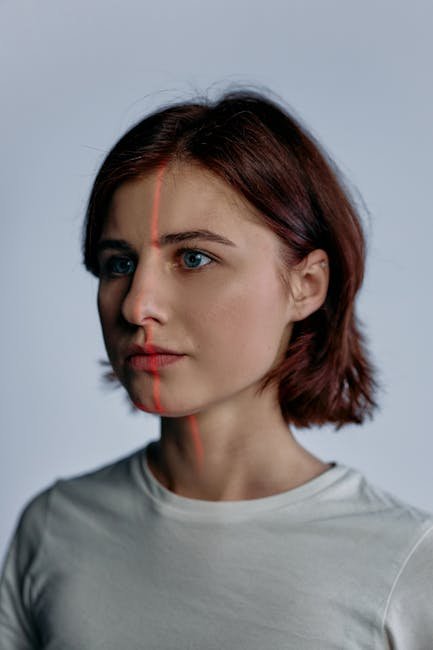

In today’s digital world, where imagery plays a pivotal role in communication, AI-based photo enhancement tools are revolutionizing how we capture, edit, and share our photographs. These tools leverage artificial intelligence to automate and fine-tune processes that traditionally required technical skills and extensive editing experience. From amateurs seeking to improve their casual snapshots to professionals aiming for perfection, these innovative solutions empower users to enhance their images effortlessly and efficiently. By utilizing machine learning algorithms, these tools dynamically analyze each image, adjusting exposure, contrast, saturation, and even facial features to create stunning visual results. As the demand for high-quality images continues to grow, understanding the impact of AI-driven enhancements is becoming increasingly essential for anyone involved in photography.
Understanding AI in Photo Enhancement
The core of AI-based photo enhancement tools lies in their ability to process images with remarkable speed and accuracy. These tools utilize advanced deep learning techniques that allow AI models to recognize patterns and enhance elements within a photo. For instance, AI can intelligently adjust brightness and contrast based on the specific content of the image, rather than applying blanket changes. This results in outcomes that feel more natural and aesthetically pleasing. Companies like Adobe have incorporated AI enhancements into their flagship products, improving accessibility and effectiveness for both casual users and professionals alike. Enhanced color grading, automatic face retouching, and background blurring are just a few features these tools offer.
Popular AI-Based Photo Enhancement Tools
With the rapid growth of the photography industry, several prominent AI-based photo enhancement tools have emerged, each offering unique features and functionalities. Here are some of the most sought-after options:
1. Adobe Photoshop: Renowned for its comprehensive photo editing capabilities, Adobe Photoshop integrates machine learning to simplify tasks and enhance user experience. The software’s robust AI tools can refine skin tones, enhance lighting, and even remove unwanted objects.
2. Luminar AI: Focused on providing effortless yet powerful editing solutions, Luminar AI uses innovative AI technology to automatically enhance landscapes and portraits. With tailored editing templates, users can achieve professional results without being overwhelmed by complex menus.
3. Topaz Labs AI: Topaz offers various plugins for Adobe products that introduce AI-driven features to enhance resolution, reduce noise, and sharpen details without compromising image quality.
4. DeepAI: This online platform enables users to generate stunning visuals using neural networks. It’s particularly popular for creating art-style images and abstract visuals.
The Future of AI in Photography
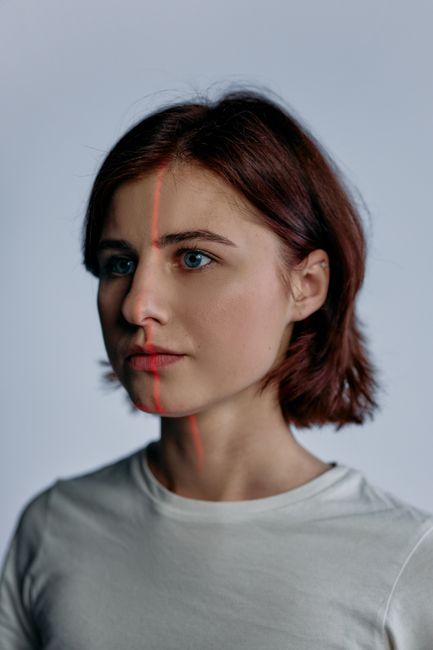
The influence of AI-based photo enhancement tools is only set to grow as technology advances. Future iterations will likely incorporate more sophisticated algorithms that can make real-time adjustments during shooting rather than just in post-processing. This transition will impact how photographers approach both their work and the tools they use. Furthermore, as virtual reality and augmented reality gain traction, AI may also play a critical role in how images are enhanced for immersive experiences. Brands are already exploring these possibilities, giving rise to new genres of photography and art that integrate AI seamlessly.
Benefits of Using AI-Based Photo Enhancement Tools
Using AI-based photo enhancement tools offers numerous advantages to both budding and experienced photographers. These benefits include:
1. Increased Efficiency: Automated processes speed up editing times significantly. Algorithms can handle repetitive tasks with pinpoint accuracy.
2. Enhanced Quality: AI can achieve higher precision in edits compared to manual adjustments, resulting in crisper and cleaner images.

3. User-Friendly Interfaces: Many AI tools come equipped with intuitive interfaces that allow users to make quick adjustments without diving into complex settings.
4. Cost-Effectiveness: By reducing time spent on editing, photographers can increase their productivity and potentially increase their income.
5. Accessibility: These tools make advanced editing accessible to people without formal training, democratizing the art of photography.
Cutting-Edge Features of AI Photo Enhancement Tools
Many AI-based photo enhancement tools offer features that can transform even the most mundane pictures into stunning masterpieces. For instance, you can use powerful algorithms to automatically adjust lighting, contrast, and saturation, giving your images a professional touch without requiring deep technical knowledge. Tools like Adobe Sensei leverage machine learning to optimize your photos in seconds, making it a favorite among both amateurs and seasoned photographers.

Additionally, some platforms incorporate smart retouching features that identify and correct flaws in your images. Whether it’s removing blemishes from portraits or eliminating distractions from landscapes, these tools save precious time while enhancing your photo’s overall appeal. Services like FotoSketcher allow users to apply artistic effects, taking enhancement to a new level by offering styles inspired by various art movements.
AI-Powered Image Restoration
Have old family photos that need a little TLC? AI photo enhancement tools excel in restoring and reviving aged images. With advanced features like noise reduction and colorization, you can breathe new life into your treasured memories. For example, Remini specializes in upscaling and sharpening blurry images, ensuring that every detail is crystal clear. These tools utilize sophisticated models trained on millions of images, helping to reconstruct missing details that would otherwise be lost.
Moreover, services like DeOldify focus on colorizing black-and-white photos. Using AI, they analyze image patterns and context, providing convincing colorization that often exceeds expectations. With the ability to enhance historical images, you can explore your past in a completely new light, making it an engaging way to share family history with younger generations.
Frequently Asked Questions
1. What are AI-based photo enhancement tools?
AI-based photo enhancement tools use artificial intelligence to automate editing processes, improve image quality, and streamline workflows for photographers and enthusiasts.
2. How do these tools improve image quality?
They analyze images using machine learning algorithms to dynamically adjust elements like brightness, contrast, and saturation, enhancing overall visual appeal.
3. Can I use these tools without any experience?
Yes, most AI-based photo enhancement tools are user-friendly and designed to help individuals without extensive editing experience achieve professional-looking results.
4. Which AI-based photo enhancement tool is best for beginners?
Tools like Luminar AI and Adobe Photoshop Elements are excellent choices for beginners, offering guided features and automated options for ease of use.
5. Are there any free AI-based photo enhancement tools?
Yes, several online platforms, such as DeepAI and certain features of mobile apps, offer free access to AI-driven enhancements, making them accessible to everyone.
Conclusion
AI-based photo enhancement tools are transforming the art of photography by streamlining the editing process and making high-quality results attainable for everyone. As technology continues to evolve, these tools will become even more sophisticated, allowing photographers—from hobbyists to professionals—to express their creativity with unparalleled ease and efficiency.
Primary Focus Keyword: AI-based photo enhancement tools
Secondary Keywords: artificial intelligence, photo editing software, machine learning
Meta Description: Discover how AI-based photo enhancement tools revolutionize photography by automating edits, improving image quality, and making editing accessible to all users.